
Health
How to Find Palliative Care Support in Regional Areas

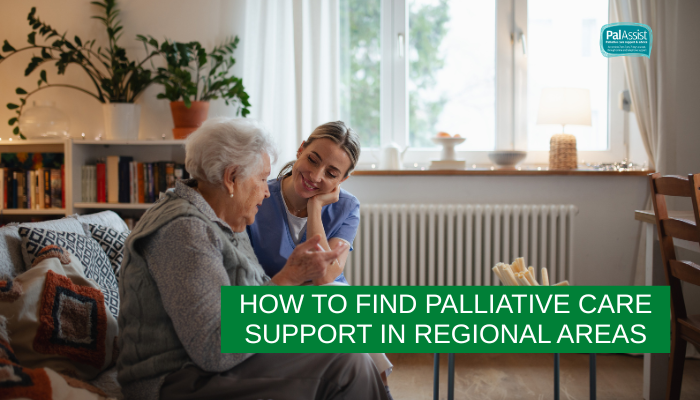
Finding palliative care in regional Queensland can feel overwhelming when your loved one needs support. You might wonder where to start, who to contact, or whether help exists close to home. These concerns are completely valid.
And honestly, distance shouldn’t determine the quality of end-of-life care your family receives. Because people living in Townsville and the surrounding areas have access to specialist teams, community programs, and local resources that match their situation.
The good news is that PalAssist connects families across Queensland with free advice and assistance, no matter where you live.
If you’re looking for practical guidance on accessing services near you, this guide will walk you through the options available.
What Is Palliative Care and Who Provides It?
Palliative care provides comfort-focused support for people living with serious illness in regional areas. A team of healthcare professionals delivers this care, including doctors, nurses, and allied health staff.
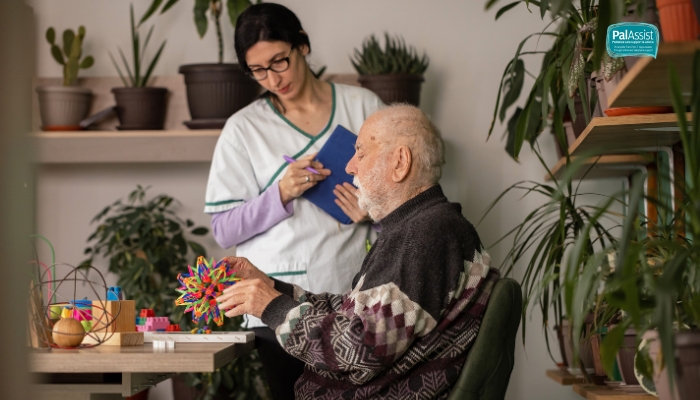
Their goal is to improve the quality of life rather than cure the disease. Services focus on:
- Managing pain
- Easing symptoms
- Addressing emotional needs
- Respecting each patient’s values
People living with a life-limiting illness, disability, or complex medical condition receive comprehensive care suited to their situation. This includes both children and adults accessing this type of support when facing serious health conditions.
From there, nurses coordinate daily symptom management while doctors adjust treatment plans. If you’re wondering how this applies locally, let’s look at the specific teams available in Townsville.
Palliative Care Townsville: Local Services You Can Access
Townsville offers multiple pathways to access specialist palliative care services close to home. In our experience helping Queensland families, knowing the local options helps you act quickly when needs change.
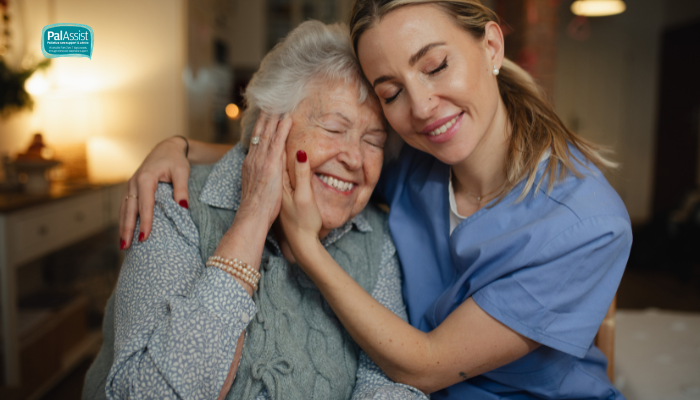
Here are three main ways to get this help locally.
Hospital-Based Palliative Care Teams
If you need intensive symptom management or round-the-clock monitoring, hospital-based teams provide that level of inpatient care.
Right here in the city, Townsville University Hospital runs a dedicated unit with specialist doctors and nursing staff available 24 hours. These professionals work alongside your general practitioner (GP) while managing difficult symptoms during admissions.
Beyond pain relief, they handle discharge planning so you can transition smoothly back home when ready.
Community Palliative Care Services
Community programs bring expert help into your home without the stress of hospital stays. Through regular visits, contracted domiciliary nursing services monitor symptoms and provide hands-on assistance.
Usually, families prefer staying comfortable at home rather than making frequent trips for appointments (since familiar surroundings reduce anxiety and keep routines intact). From there, these nurses connect you with equipment, medications, and local resources that respect your beliefs and values.
GP and Specialist Palliative Care Support
Once hospital or community programs are in place, the family’s GP becomes the anchor point for ongoing management. They coordinate the overall plan and book regular check-ins as needs shift over time.
And when complex symptoms arise, primary care providers refer you to specialists who handle those specific challenges. At that point, specialist palliative care doctors offer expert guidance for treatment decisions that need deeper medical knowledge.
How Healthcare Professionals Support End-of-Life Care
Healthcare professionals create personalised plans that adapt as the person’s needs change throughout end-of-life care. Simply put, nurses, doctors, and allied health staff work as one team around each family’s requirements.
The team explains treatment options clearly so you can make informed choices together. This support network includes several specialists who each focus on different aspects of wellbeing:
- Social workers handle practical issues like financial assistance and arranging respite breaks
- Occupational therapists modify your home environment for safety and comfort
- Physiotherapists maintain mobility and reduce physical discomfort through gentle exercises
- Psychologists address emotional struggles like anxiety and grief
- Community counselling provides spiritual support that respects your values and beliefs
As care progresses, these professionals also guide difficult conversations about end-of-life preferences. They help families understand issues without medical jargon, and education sessions prepare carers for what to expect.
You can even contact PalAssist at any stage for additional guidance from registered nurses who specialise in palliative care advice.
This collaborative approach means you’re never left wondering what happens next or facing tough decisions alone.
Finding Specialist Palliative Care in Regional Queensland
Worried that specialist palliative care is only available in major cities like Brisbane? Well, that’s not the case anymore.
Regional centres across North Queensland offer genuine access through hospitals, community health programs, and local GPs who understand your area. And right now, Queensland Health oversees service provision throughout rural communities.
Distance doesn’t have to limit options when these supports exist:
- Telehealth Consultations: SPaRTa (Specialist Palliative Rural Telehealth Service) provides patient consultations and clinical advice to local clinicians managing terminal illness across rural and regional Queensland. They give expert guidance without the travel burden or time away from home.
- Outreach Programs: Allied health services and palliative care providers travel to regional towns regularly with equipment and medical expertise. So your family avoids long trips to access consultations.
- Coordination Between Local and City Teams: The rural GP partners with Brisbane specialists to manage complex medical decisions. This way, you create a coordinated approach between local knowledge and advanced expertise.
- Aboriginal Health Workers: Programs offer culturally appropriate end-of-life planning that honours traditional beliefs and community practices. In fact, specialised resources exist specifically for Aboriginal and Torres Strait Islander communities to ensure care aligns with cultural protocols and family preferences.
Even smaller towns now have community health centres that deliver assistance through visiting nurse programs and regional outreach medical teams. This way, health workers can bring medications directly to your property while also strengthening local care by training GPs and community staff.
If you have questions about accessing any of these regional options, call PalAssist on 1800 772 273. The nurses there understand rural challenges and can point you toward the closest available resources in your area.
Helpful Tip: Keep an eye on what your nearest hospital offers, as many regional facilities now have dedicated palliative care resources that fill gaps between specialist visits.
Getting Started: Your First Steps with Palliative Care
We’ve found through hands-on work that families feel less overwhelmed when they start with one simple phone call to their GP. A doctor can assess needs and connect you with the right palliative care services nearby.
In short, you don’t need to figure this out alone. PalAssist provides free advice and emotional support for Queensland families and carers facing end-of-life decisions. Registered nurses answer questions seven days a week (7 am to 7 pm) on 1800 772 273.
The sooner you reach out, the more time you have to arrange comfortable care at home. So visit our site or call to speak with someone who understands what you’re going through.

6 Supportive Ways to Help a Loved One Transition to the Assisted Living Lifestyle

Moving Heads vs PAR vs Wash Lights: Choosing the Right Fixture

How NY Construction Services Help Keep Buildings Code Compliant

FoxFiny com Review: Powerful Simple Platform You Should Try

Who Is Denika Kisty? The Full Story of Jason Williams’ Wife and Former Athlete
