
Tech
Do Electric Cars Need MOT Tests? What’s Different?

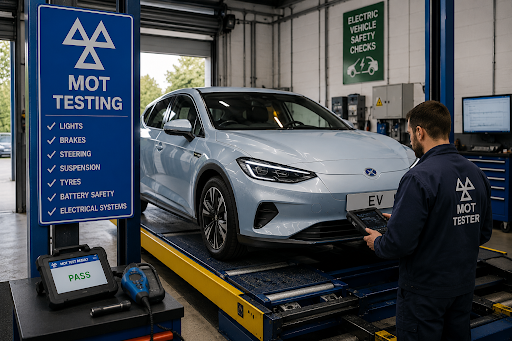
Electric cars are transforming UK roads, but one question keeps popping up among new EV owners: do these battery-powered vehicles need MOT tests like traditional petrol or diesel cars? The short answer is yes, electric cars absolutely require MOT testing once they reach three years old, just like any other vehicle on UK roads. However, the MOT process for electric vehicles differs in several important ways that every EV owner should understand.
If you’re driving an electric car in Guildford or anywhere across the UK, knowing what your MOT test involves can save you time, money, and potential headaches. While EVs don’t have exhausts or traditional engines to check, they face their own unique inspection points that focus on battery safety, electrical systems, and the specific components that keep these modern vehicles running smoothly.
Why Electric Cars Still Need MOT Testing
Many drivers assume electric vehicles might be exempt from MOT requirements because they produce zero emissions and have fewer moving parts than conventional cars. This assumption makes sense on the surface, especially since MOT tests traditionally focused heavily on exhaust emissions, but it misses the bigger picture of what MOT testing actually covers.
The MOT, or Ministry of Transport test, exists primarily as a safety and environmental check to ensure every vehicle on UK roads meets minimum standards. Electric cars still have brakes, tyres, lights, suspension systems, and steering components that wear down over time. These safety-critical elements need regular inspection regardless of what powers the vehicle.
Government regulations confirm that electric vehicles follow the same three-year rule as petrol and diesel cars. Your EV needs its first MOT on the third anniversary of its registration date, then annually after that. This requirement applies whether you drive a compact city EV or a high-performance electric sports car.
Key Differences in Electric Vehicle MOT Tests
The MOT process for electric cars skips several checks that apply to traditional vehicles, making the test notably different in scope and focus. Understanding these differences helps you prepare properly and know exactly what inspectors will examine.
No Exhaust Emissions Testing
The most obvious difference is the complete absence of emissions testing. Traditional MOT tests measure exhaust gases to ensure vehicles meet environmental standards, but electric cars produce zero tailpipe emissions, so this entire section becomes irrelevant. This alone can shave several minutes off your MOT appointment.
Battery and High Voltage System Inspection
MOT testers now examine the high voltage battery system and associated electrical components, looking for visible damage, corrosion, or loose connections. They check battery mounting points to ensure everything remains securely fastened, as a shifting battery pack poses serious safety risks. Warning lights related to the battery or charging system trigger an automatic MOT failure.
Brake System Assessment
Electric vehicles use regenerative braking systems that convert kinetic energy back into electrical charge, reducing wear on traditional brake pads. However, MOT inspectors still thoroughly test brake performance, balance, and efficiency. The regenerative system doesn’t eliminate the need for conventional brakes, which must function perfectly during emergency stops.
Tyre and Suspension Checks
EVs typically weigh more than equivalent petrol cars due to heavy battery packs, placing extra stress on tyres and suspension components. MOT testers pay close attention to tyre tread depth, which must exceed 1.6mm across the central three quarters of the tread. Suspension bushings, shock absorbers, and wheel bearings face additional scrutiny because of the increased weight.
Electrical System and Lighting
All lights, indicators, and warning systems undergo standard checks, but testers also verify that EV-specific warning indicators function correctly. The dashboard warning for pedestrian alert systems, which emit sounds at low speeds, must work properly to pass inspection.
Common MOT Failure Points for Electric Cars
While electric vehicles eliminate certain failure risks like exhaust emissions, they introduce new potential problem areas that owners should monitor throughout the year. Staying aware of these common issues helps you address problems before your MOT appointment.
- Brake Deterioration from Reduced Use
Regenerative braking means traditional brake components see less frequent use, which paradoxically can cause problems. Brake discs and pads may develop surface corrosion from sitting unused, reducing effectiveness when needed. Regular checks and occasional harder braking helps prevent this issue.
- Damaged High Voltage Cables
The bright orange cables carrying high voltage electricity throughout an EV must remain in perfect condition. Any visible damage, exposed wiring, or improper repairs result in immediate MOT failure due to serious safety concerns. These cables require professional handling and should never be disturbed by unauthorized repairs.
- Battery Warning Lights
Dashboard warnings related to battery health, charging systems, or electrical faults trigger automatic failures. These warnings often indicate underlying issues that need proper diagnosis before the MOT. Ignoring battery-related alerts rarely works out well during testing.
- Accelerated Tyre Wear
The extra weight and instant torque delivery of electric motors can wear tyres faster than traditional vehicles, particularly on the inner or outer edges if alignment becomes incorrect. Uneven wear patterns signal suspension or alignment problems that testers will spot immediately.
- Suspension Component Stress
Heavy battery packs place constant load on suspension components, accelerating wear on bushings, ball joints, and shock absorbers. Visual inspection often reveals cracked rubber bushings or leaking shock absorbers that require replacement before passing MOT.
Preparing Your Electric Car for MOT Success
Smart preparation makes the difference between a straightforward pass and frustrating failure, saving both time and money while ensuring your vehicle remains roadworthy throughout the year. Taking proactive steps before your MOT appointment puts you in control of the process.
Check all lights and indicators yourself before booking. Walk around your car with someone operating each light, indicator, brake light, and hazard warning. Replace any failed bulbs immediately, as lighting faults are among the easiest failures to prevent.
Inspect your tyres carefully for adequate tread depth, using a 20p coin as a quick gauge. If the outer band of the coin remains visible when inserted into the tread, your tyres likely need replacement. Look for uneven wear patterns, bulges, or cuts in the sidewalls.
Test your windscreen wipers and washer system, ensuring blades clear effectively without leaving streaks or missing patches. Top up washer fluid and replace worn wiper blades, both inexpensive fixes that prevent unnecessary MOT failures.
Book your MOT at a facility experienced with electric vehicles, as not all testing stations have staff properly trained on EV-specific checks. Facilities like full service centres that regularly handle electric cars understand the unique requirements and potential issues.
Address any dashboard warning lights before your test date. Electronic faults rarely resolve themselves and almost always result in MOT failure. Professional diagnostics identify the underlying cause, allowing proper repairs before testing.
How Electric Car Maintenance Differs Between MOT Tests
Understanding how to maintain your electric vehicle between annual MOT tests helps prevent failures and extends the life of critical components, while also maximizing your investment in this modern technology.
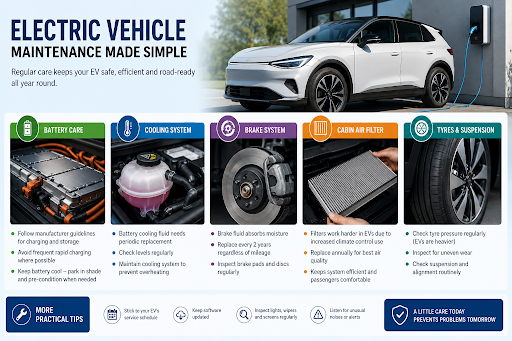
Electric cars require less frequent maintenance than conventional vehicles, but they still need regular attention to certain systems. Battery cooling systems use fluids that need periodic replacement according to manufacturer schedules. Brake fluid absorbs moisture over time and requires changing every two years regardless of mileage, just like traditional cars.
Cabin air filters often work harder in EVs because drivers rely more heavily on climate control without engine heat. These filters trap dust, pollen, and pollutants, becoming clogged faster than in petrol cars where engine heat helps dry things out. Replace cabin filters annually for optimal air quality and system efficiency.
Windscreen washer systems need regular attention, especially during winter months when road salt and grime accumulate quickly. Keep fluid topped up and check that jets spray correctly onto the windscreen, as visibility issues cause MOT failures.
Tyre pressure monitoring becomes especially important for electric vehicles. Underinflated tyres increase rolling resistance, reducing range while accelerating tread wear. Check pressures monthly when tyres are cold, adjusting to manufacturer specifications found on the door pillar.
Some drivers wonder whether electric cars are easy to maintain compared to traditional vehicles. The reality is that while EVs eliminate oil changes and many engine-related services, they introduce different maintenance priorities focused on electrical systems and battery health.
What Happens If Your Electric Car Fails Its MOT
Failing an MOT isn’t the end of the world, but it does mean you cannot legally drive your vehicle on public roads until repairs are completed and a retest confirms everything meets standards. Understanding the failure process helps you respond quickly and appropriately.
| Aspect | What You Need to Know |
| Failure Certificate | You receive a detailed certificate listing all problems found during inspection, separated into dangerous defects, major defects, and minor issues. |
| Dangerous Defects | You cannot drive the car away from the test centre. The vehicle must be transported or repaired on-site before it can legally leave. |
| Major Defects | You can drive directly home or to a repair facility but nowhere else. No detours or additional journeys are permitted. |
| Free Retests | Most test centres offer free retests if you complete repairs within ten working days and return to the same facility. This encourages quick fixes and gives you a reasonable window to arrange repairs without paying for a completely new test. |
| Minor Issues | These don’t cause failure but signal items needing attention soon. Addressing these minor points prevents them becoming major problems at next year’s test while keeping your vehicle in optimal condition. |
| Second Opinions | If you’re unsure about repair costs or what work is genuinely necessary, seek a second opinion before authorizing expensive repairs. Some failures involve simple adjustments rather than part replacements, and knowledgeable technicians can often resolve issues more economically than initial quotes suggest. |
| Documentation | Keep your failure certificate safe as it provides valuable documentation of your vehicle’s condition at the test date. This record proves useful if disputes arise about repair work or if you need to demonstrate what was wrong before repairs began. |
Special Considerations for Hybrid Vehicles
Hybrid cars occupy a middle ground between fully electric and traditional vehicles, combining both power sources and consequently facing MOT requirements from both worlds. These vehicles undergo standard emissions testing on their petrol or diesel engines while also receiving electric system inspections.
The MOT test for hybrids includes exhaust emissions checks when the engine runs, measuring carbon monoxide, hydrocarbons, and other pollutants. Testers also examine the high voltage battery system, charging components, and regenerative braking setup just like in pure electric vehicles.
This dual inspection means hybrids potentially face more failure points than either pure EVs or conventional cars. Both the combustion engine and electric motor systems must meet standards, along with all traditional mechanical components like brakes, suspension, and steering.
Hybrid owners should maintain both power systems properly, following manufacturer service schedules that typically recommend more frequent attention than pure electric vehicles need. Oil changes remain necessary for the combustion engine, while battery cooling systems and electrical components require periodic inspection.
Understanding MOT History and Electric Vehicle Records
Every MOT test creates a permanent record stored in the government database, accessible to anyone with your vehicle registration number. This history becomes particularly valuable when buying or selling electric cars, as it documents maintenance patterns and any recurring issues.
Checking MOT history on a used electric car reveals whether previous owners maintained the vehicle properly. Frequent failures or repeated problems with the same components suggest either neglect or potentially serious underlying issues. A clean history with consistent passes demonstrates good care.
The MOT database also shows recorded mileage at each test, helping verify the accuracy of odometer readings. Sudden mileage drops or impossibly low annual mileage figures indicate potential tampering, a serious concern when assessing used EVs where battery life correlates directly with age and use.
When selling your electric car, a valid MOT certificate with plenty of remaining time adds value and makes the transaction smoother. Buyers appreciate not needing immediate testing, and a fresh pass demonstrates you’ve maintained the vehicle properly.
Looking Ahead: Future Changes to EV MOT Requirements
The rapid evolution of electric vehicle technology means MOT testing requirements will likely adapt over coming years to address new challenges and capabilities emerging in modern EVs. Government agencies continually review testing standards to ensure they remain relevant and effective.
Advanced driver assistance systems now common in electric cars may soon face MOT scrutiny, with testers checking that cameras, sensors, and automated features function correctly. These systems increasingly contribute to safety, making their proper operation as important as traditional mechanical components.
Battery health assessment could become part of future MOT tests, with testers measuring capacity degradation or checking for potential safety issues beyond visual inspection. As batteries age, their performance and safety characteristics change, warranting more thorough evaluation than current tests provide.
Software updates and cybersecurity might eventually factor into MOT requirements, particularly as vehicles become more connected and reliant on digital systems. Ensuring software remains current and free from vulnerabilities could become as important as checking brake function or tyre condition.
For now, electric car owners should focus on current requirements while staying informed about regulatory changes. Understanding when your new car needs its first MOT helps you plan ahead and maintain proper documentation throughout your vehicle’s life.
Conclusion
Electric cars definitely need MOT tests, following the same three-year initial exemption and annual testing thereafter as petrol and diesel vehicles. The process differs in meaningful ways, eliminating emissions testing while introducing battery and electrical system checks that reflect the unique technology powering these vehicles.
Understanding these differences helps you maintain your electric car properly between tests, addressing potential issues before they cause MOT failures. Regular attention to tyres, brakes, lighting, and electrical systems keeps your EV safe, legal, and running efficiently year-round.
The transition to electric vehicles doesn’t eliminate MOT requirements, but it does shift the focus toward different components and systems. Staying informed about what testers examine and how to prepare ensures your electric car passes smoothly, keeping you legally on the road while maintaining the safety standards that protect everyone.
Frequently Asked Questions
Do electric cars need MOT tests in the UK?
Yes, electric cars require MOT tests once they reach three years old, then annually afterwards. The testing process covers safety-critical components like brakes, suspension, tyres, and electrical systems, though it excludes exhaust emissions checks since EVs produce no tailpipe emissions.
What parts of an electric car are checked during MOT?
MOT testers examine the high voltage battery system, electrical connections, brakes, tyres, suspension, steering, lights, and all safety systems. They look for visible damage to orange high-voltage cables, secure battery mounting, proper brake function, and adequate tyre tread depth.
Can electric cars fail MOT tests?
Electric vehicles can definitely fail MOT tests for issues like worn tyres, damaged high-voltage cables, corroded brakes, faulty lights, or dashboard warning lights. Battery-related warnings or visible damage to electrical systems result in automatic failure due to safety concerns.
How much does an electric car MOT cost?
Electric car MOT tests cost the same as conventional vehicle tests, with maximum fees set by government regulations. The absence of emissions testing doesn’t reduce the price, as the test still covers numerous safety and electrical system checks specific to EVs.
Do hybrid cars need MOT tests?
Hybrid vehicles require MOT tests that combine elements from both electric and conventional vehicle inspections. Testers check exhaust emissions from the combustion engine while also examining the high-voltage battery system, making hybrids subject to more comprehensive testing than pure EVs or traditional cars.

Hiring for Healthcare Administration: What Clinics and Practices Often Get Wrong

What Should You Do If You Have Been Falsely Accused of Sexual Assault?

CO2 Liquefaction: efficient solutions for producing liquid CO2

Who Is Denika Kisty? The Full Story of Jason Williams’ Wife and Former Athlete

FoxFiny com Review: Powerful Simple Platform You Should Try
