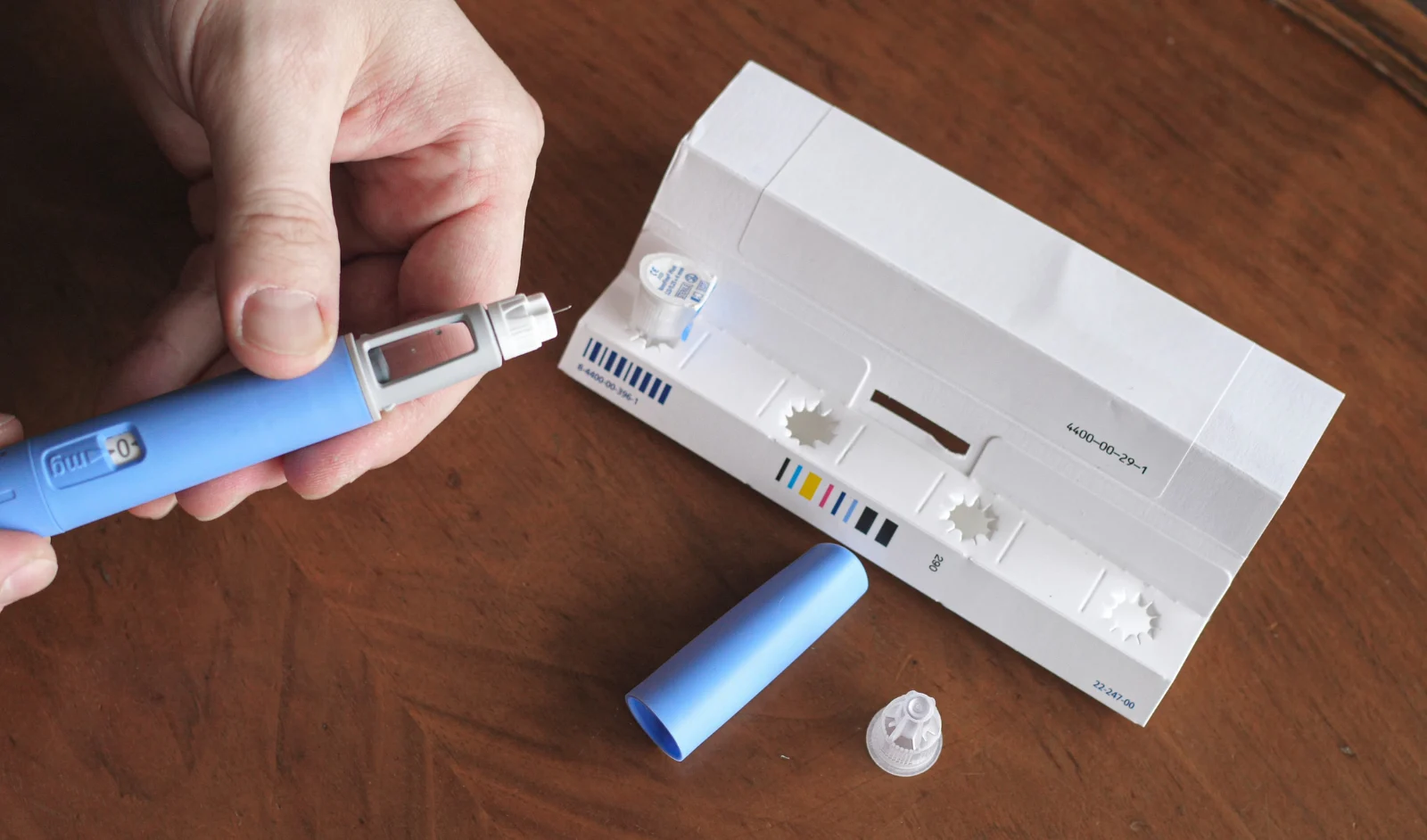
Semaglutide has become a revolutionary weight management tool, especially in the world of physician-guided weight loss prescriptions. Originally developed for type 2 diabetes, its appetite-suppressing qualities have made it a popular choice for people aiming to lose weight effectively. But like all medications, the question arises: what happens when you stop taking Semaglutide? Understanding the consequences is crucial for anyone considering discontinuation, as the effects on appetite, metabolism, and overall weight management can be significant.
Stopping Semaglutide abruptly can trigger changes in the body that are both physiological and psychological. Since the medication works by mimicking the GLP-1 hormone, which signals fullness to the brain, removing it suddenly may lead to increased hunger and cravings. Many patients report a noticeable shift in appetite within days or weeks of stopping, which can feel discouraging after the progress they have achieved. However, with physician-guided planning, these challenges can be anticipated and mitigated, making the transition smoother.
How Appetite Changes Without Semaglutide
Semaglutide directly influences the hypothalamus, the part of the brain that regulates hunger and satiety. While on the medication, you may find yourself eating less, enjoying smaller portions, and naturally avoiding calorie-dense foods. Once the drug is discontinued, these appetite-regulating signals return to their baseline levels. As a result, individuals may experience increased hunger and a tendency to revert to previous eating patterns.
This shift can be managed effectively if approached with physician-guided strategies. Many doctors suggest gradually tapering the dose rather than stopping cold turkey. Additionally, integrating high-fiber foods, protein-rich meals, and consistent meal timing can help reduce the rebound effect on appetite. In essence, stopping Semaglutide doesn’t mean instant weight gain, but it requires careful planning to maintain the progress you’ve made.
Weight Maintenance Challenges Post-Semaglutide
One of the most common concerns about discontinuing Semaglutide is weight regain. Clinical studies and anecdotal evidence both suggest that individuals who stop the medication may experience some level of weight rebound. The exact amount varies depending on diet, activity level, and adherence to lifestyle changes.
A physician-guided approach to discontinuation often includes a plan for gradual calorie adjustment, tailored exercise routines, and psychological support. For example, patients may transition from a strict low-calorie diet used during medication to a more balanced eating plan that emphasizes sustainable habits. Those who incorporate these changes are more likely to maintain weight loss over the long term, even without the medication.
Psychological Effects of Stopping Semaglutide
Beyond physical appetite changes, stopping Semaglutide can also have psychological effects. Some people may feel anxious about regaining weight or frustrated by the loss of a medication that gave them control over cravings. These emotions are normal and should be acknowledged rather than ignored.
Many physicians incorporate counseling, support groups, and behavioral therapy as part of a physician-guided discontinuation plan. These interventions help patients develop healthy coping strategies, maintain confidence in their ability to manage weight, and prevent a cycle of emotional eating. The key is understanding that Semaglutide is a tool, not a permanent solution, and building a lifestyle around sustainable habits is essential.
Metabolic Adjustments After Discontinuation
Semaglutide also affects metabolic function, enhancing insulin sensitivity and stabilizing blood sugar levels. When the medication is stopped, these metabolic benefits may gradually diminish, particularly if dietary and lifestyle practices are not maintained. Some individuals may notice subtle increases in blood sugar or minor fluctuations in energy levels.
This is another area where physician-guided oversight is critical. Regular monitoring of blood sugar, blood pressure, and lipid profiles can help prevent any negative metabolic consequences. Moreover, continuing a nutrient-dense diet with consistent exercise supports the body’s natural ability to regulate metabolism, reducing the likelihood of significant setbacks.
Strategies to Prevent Rapid Weight Regain
While stopping Semaglutide may pose risks for weight regain, there are several practical strategies to maintain your results:
- Gradual dose reduction: Instead of stopping abruptly, work with your doctor to taper the medication.
- Structured meal planning: Focus on high-fiber vegetables, lean proteins, and healthy fats to manage hunger naturally.
- Consistent physical activity: Both cardiovascular and resistance training help maintain muscle mass and metabolic rate.
- Behavioral support: Engaging with a nutritionist or support group reinforces healthy habits.
- Regular self-monitoring: Tracking weight, appetite, and food intake helps identify trends before they become problems.
These steps, when implemented under physician-guided supervision, provide a safety net and increase the likelihood of sustaining weight loss long-term.
The Positive Outlook: Life After Semaglutide
Despite the challenges, stopping Semaglutide can be a positive turning point. Many individuals find that after an initial adjustment period, their appetite stabilizes, and they continue to enjoy a healthy lifestyle without dependence on medication. The benefits of the weight loss achieved with Semaglutide—improved energy levels, mobility, and confidence—remain long after the drug is discontinued.
Additionally, the experience gained from physician-guided weight loss prescriptions equips individuals with the knowledge and habits necessary for lasting success. Patients learn portion control, meal planning, and mindful eating—all of which are invaluable for long-term weight management. In this sense, Semaglutide serves as both a jumpstart and an educational tool, empowering individuals to sustain results independently.
Comparing Long-Term Results With and Without Semaglutide
| Factor |
During Semaglutide |
After Stopping Semaglutide |
Physician-Guided Recommendations |
| Appetite |
Reduced; easy satiety |
Gradually returns; cravings may increase |
Taper dose; adopt high-fiber diet |
| Weight Maintenance |
Effective; rapid loss possible |
Some rebound possible |
Structured exercise and meal planning |
| Blood Sugar & Metabolism |
Improved; stable |
Gradual return to baseline |
Monitor regularly; maintain healthy diet |
| Psychological State |
Confident; less stress around food |
Anxiety about weight regain |
Counseling and behavioral therapy |
| Long-Term Habits |
Forming but dependent on medication |
Habits crucial for maintenance |
Continued lifestyle guidance |
This table illustrates that physician-guided strategies are essential for bridging the transition, allowing individuals to maintain their health and confidence even after stopping the medication.
Making the Decision to Stop Semaglutide
Deciding to stop Semaglutide should never be impulsive. It requires reflection on personal goals, current habits, and readiness to adopt a lifestyle that can sustain weight loss without medication. Consulting a healthcare professional ensures that the transition is physician-guided, safe, and tailored to your individual needs.
In some cases, patients may choose to pause the medication temporarily to assess long-term sustainability. Others may follow a structured tapering schedule combined with intensive nutritional counseling. Either approach underscores the importance of professional oversight and personalized planning.
A Final Perspective on Stopping Semaglutide
Stopping Semaglutide is not the end of your weight management journey—it is a strategic transition. While the body may initially react with increased appetite or metabolic changes, proper planning, consistent habits, and physician-guided strategies ensure that the hard-earned benefits are preserved.
Ultimately, Semaglutide serves as a springboard to healthier choices. Patients who continue practicing mindful eating, regular exercise, and self-monitoring often report continued success and a renewed sense of control over their health. In this way, discontinuing the medication becomes a milestone rather than a setback, highlighting the empowerment that comes with combining medical innovation with lifestyle discipline.
Frequently Asked Questions (FAQ)
Q: Will I regain all the weight I lost after stopping Semaglutide?
A: Not necessarily. While appetite may increase, physician-guided lifestyle adjustments and gradual dose reduction can prevent rapid weight regain.
Q: How long does it take for appetite to return after stopping the drug?
A: Appetite changes can appear within days to weeks. However, mindful eating and structured meal planning can mitigate this rebound effect.
Q: Can I stop Semaglutide abruptly?
A: Abrupt cessation is not recommended. Gradual tapering under physician-guided supervision is the safest approach.
Q: Are metabolic effects permanent after discontinuation?
A: Some benefits, like improved insulin sensitivity, may diminish. Maintaining a healthy lifestyle is key to sustaining these gains.
Q: What support is available when stopping Semaglutide?
A: Doctors may provide counseling, nutrition guidance, behavioral therapy, and structured follow-ups to ensure continued success without the medication.