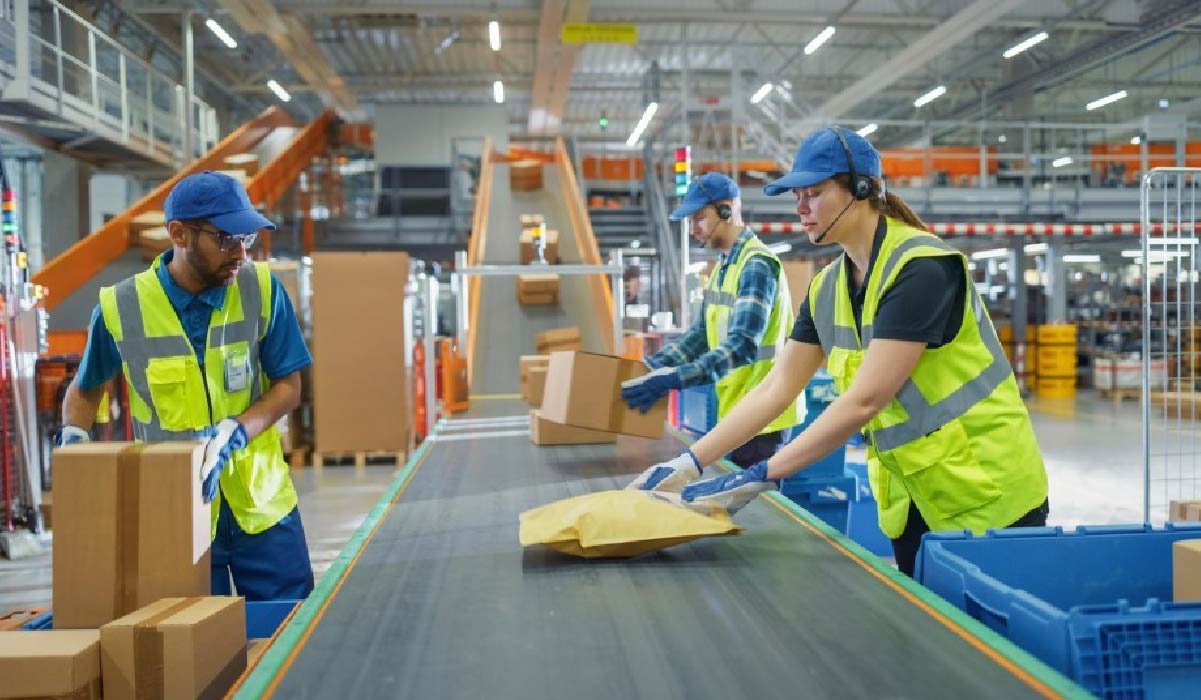
Sorting packages may sound simple. But in modern logistics, it is one of the most important steps. Every day, thousands of items move through warehouses and need to be sorted quickly and correctly.
In the past, this work was done by hand. Workers would pick, scan, and place items in the right location. Today, many companies are switching to Automated Sortation Systems.
So why is this change happening? The answer is speed, accuracy, and cost. In this guide, we’ll explain why automated systems are replacing manual sorting and how they are shaping modern logistics.
What Are Automated Sortation Systems?
Simple Explanation of Sorting Automation
An automated sortation system is a machine-based setup that sorts items without heavy manual work. It uses conveyors, scanners, and software to move packages to the right place.
Instead of people sorting items one by one, machines handle the process.
Why Businesses Use These Systems
Businesses use automation to keep up with growing demand. Online shopping and fast delivery have increased the number of packages that need sorting.
Automation helps handle large volumes quickly and efficiently.
How Automated Sortation Systems Work
Step-by-Step Sorting Process
The process is simple:
- Items enter the system on a conveyor
- Each item is scanned using a barcode
- The system identifies the destination
- The item is directed to the correct location
This process happens in seconds.
Role of Sensors, Scanners, and Software
Modern systems rely on smart tools like Barcode Scanners and sensors.
Software controls the entire system. It decides where each item should go and tracks its movement.
Where Automated Sortation Systems Are Used
Warehouses and Distribution Centers
Large warehouses use sortation systems to manage high volumes of goods.
These systems help keep operations smooth and organized.
eCommerce and Parcel Delivery Services
Online stores depend on fast sorting to meet delivery promises.
eCommerce companies use automation to process orders quickly and reduce delays.
Types of Automated Sortation Systems
Cross-Belt, Tilt-Tray, and Sliding Shoe Systems
There are different types of systems, including:
- Cross-belt sorters
- Tilt-tray systems
- Sliding shoe sorters
Each type is designed for specific needs and speeds.
Choosing the Right System for Your Needs
The best system depends on:
- Package size
- Volume of items
- Space available
Businesses choose systems based on their operations.
Benefits of Automated Sortation Systems
Faster Processing and Improved Accuracy
One of the biggest advantages is speed. Machines can sort thousands of items in a short time.
Automation also reduces errors. Each package is tracked and sorted correctly.
Reduced Labor Costs and Errors
Manual sorting requires many workers. Automation reduces the need for large teams.
This helps lower labor costs and minimizes mistakes caused by fatigue.
Manual Sorting vs Automated Systems
Key Differences in Speed and Efficiency
Manual sorting is slower. Workers can only handle a limited number of items at a time.
Automated systems work continuously and at a much higher speed.
Why Automation Is Becoming Popular
Automation is becoming popular because it solves common problems:
- Delays in sorting
- Human errors
- High labor costs
It offers a more reliable and scalable solution.
Cost and ROI of Sortation Automation
Initial Investment and Setup Costs
Installing an automated system can be expensive at first. It includes equipment, setup, and training.
However, this is a one-time investment.
Long-Term Savings and Business Growth
Over time, businesses save money through:
- Reduced labor costs
- Faster operations
- Fewer errors
This leads to better performance and growth.
Challenges and Limitations
System Maintenance and Downtime
Like any machine, automated systems need maintenance.
If a system stops working, it can slow down operations.
When Automation May Not Be Suitable
Automation may not be ideal for small businesses with low volume.
In such cases, manual sorting may still be more practical.
Future Trends in Sortation Automation
AI and Smart Warehouse Technology
New systems use Artificial Intelligence to improve performance.
AI can predict demand, optimize routes, and reduce errors.
Growth of Robotics and Automation
Robots are becoming part of modern warehouses. They can move items, assist in sorting, and improve efficiency.
This trend will continue as technology advances.
Conclusion
Automated sortation systems are changing the way logistics works. They offer faster processing, better accuracy, and lower costs compared to manual sorting.
While there are some challenges, the benefits are clear. As demand for faster delivery grows, more businesses are turning to automation.
In the future, smart systems and advanced technology will make sorting even more efficient. For modern logistics, automation is no longer an option—it is becoming a necessity.