Chinese translation is changing fast. Global businesses now produce more multilingual content than ever before. Websites, mobile apps, e commerce platforms, and digital support systems all require continuous translation into Chinese.
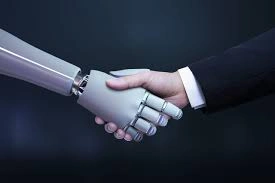
AI tools now handle a large share of this work. At the same time, human translators remain essential for accuracy, tone, and cultural understanding. The future of translation is not replacement. It is collaboration.
This balance is shaping modern Chinese translation services across industries. Companies like Ulatus already use combined workflows where AI and human expertise work together.
AI Will Lead in Speed and Scale
AI based translation systems are built for speed. They process large volumes of text in seconds. This makes them useful for businesses that manage global content at scale.
AI works well for:
- Product listings
• Internal documents
• Technical drafts
• High volume content updates
• Repetitive text structures
These tasks follow predictable patterns. AI systems reduce workload and improve production speed.
Chinese businesses benefit from this efficiency, especially in e commerce and technology sectors where content changes frequently.
Still, speed alone is not enough for quality communication.
Human Translators Ensure Accuracy
Chinese language requires context awareness. Meaning changes based on tone, structure, and cultural setting. AI systems often miss these details.
Human translators improve:
- Sentence clarity
• Cultural adaptation
• Industry terminology
• Tone consistency
• Reader understanding
A sentence that looks correct in machine translation may still sound unnatural to native Chinese readers. Human review corrects this issue.
Professional Chinese translation services rely on linguists who understand both language and business context.
Companies like Ulatus assign native experts to review and refine translated content before delivery.
Why Chinese Translation Needs Human Judgment
Chinese communication is not only about words. It depends on context, relationships, and cultural expectations.
For example, marketing content requires emotional alignment with the audience. Legal documents require precise wording. Customer support messages require natural tone.
AI cannot fully understand these differences.
Human translators adjust language based on:
- Audience type
• Industry context
• Cultural meaning
• Communication purpose
This ensures that translated content feels natural and appropriate.
The Rise of Hybrid Translation Models
The future of Chinese translation is based on hybrid systems. These combine AI efficiency with human accuracy.
A typical workflow includes:
- AI generates first draft
• Human editors review content
• Native linguists refine tone
• Quality teams check consistency
This process improves both speed and quality.
Hybrid models are used in:
- E commerce platforms
• Software localization
• Marketing campaigns
• Technical documentation
• Customer support systems
Businesses gain faster turnaround without losing communication quality.
Companies like Ulatus already follow this structure in enterprise translation projects.
Limitations of AI in Chinese Translation
AI systems continue improving but still face challenges in Chinese language processing.
Key limitations include:
- Tone misinterpretation
• Cultural misunderstanding
• Sentence ambiguity
• Industry specific errors
• Lack of emotional context
Chinese characters can carry multiple meanings depending on context. AI systems often select incorrect interpretations.
This creates risk in business communication if content is not reviewed.
Professional Chinese translation services reduce these risks through human validation.
How Businesses Benefit From Co-Existence
AI and human translators serve different roles. When combined properly, they improve efficiency and accuracy.
Businesses benefit through:
- Faster content production
• Reduced translation costs
• Better quality control
• Improved global communication
• Scalable localization systems
This approach supports global expansion strategies.
Companies entering Chinese markets need both speed and precision. Neither AI nor human translation alone is enough.
Providers like Ulatus integrate both systems into structured workflows designed for enterprise needs.
Future Trends in Chinese Translation
The translation industry will continue evolving with AI advancements. Future systems will become more context aware and better at handling complex language structures.
Expected trends include:
- Smarter AI translation engines
• Improved terminology memory systems
• Real time human editing tools
• Better workflow automation
• Industry focused translation models
Still, human translators will remain central to quality control and cultural adaptation.
Marketing, legal, and customer facing content will always require human oversight.
Professional Chinese translation services will focus more on quality management and localization strategy rather than simple translation tasks.
Final Perspective
The future of Chinese translation is a partnership model. AI handles speed and scale. Human translators ensure meaning and cultural accuracy.
Businesses that combine both approaches achieve stronger communication results in Chinese markets.
Companies like Ulatus are already building this hybrid future through integrated translation systems.
Chinese translation will continue to evolve, but the core requirement remains the same. Clear, accurate, and culturally appropriate communication drives successful global business expansion.