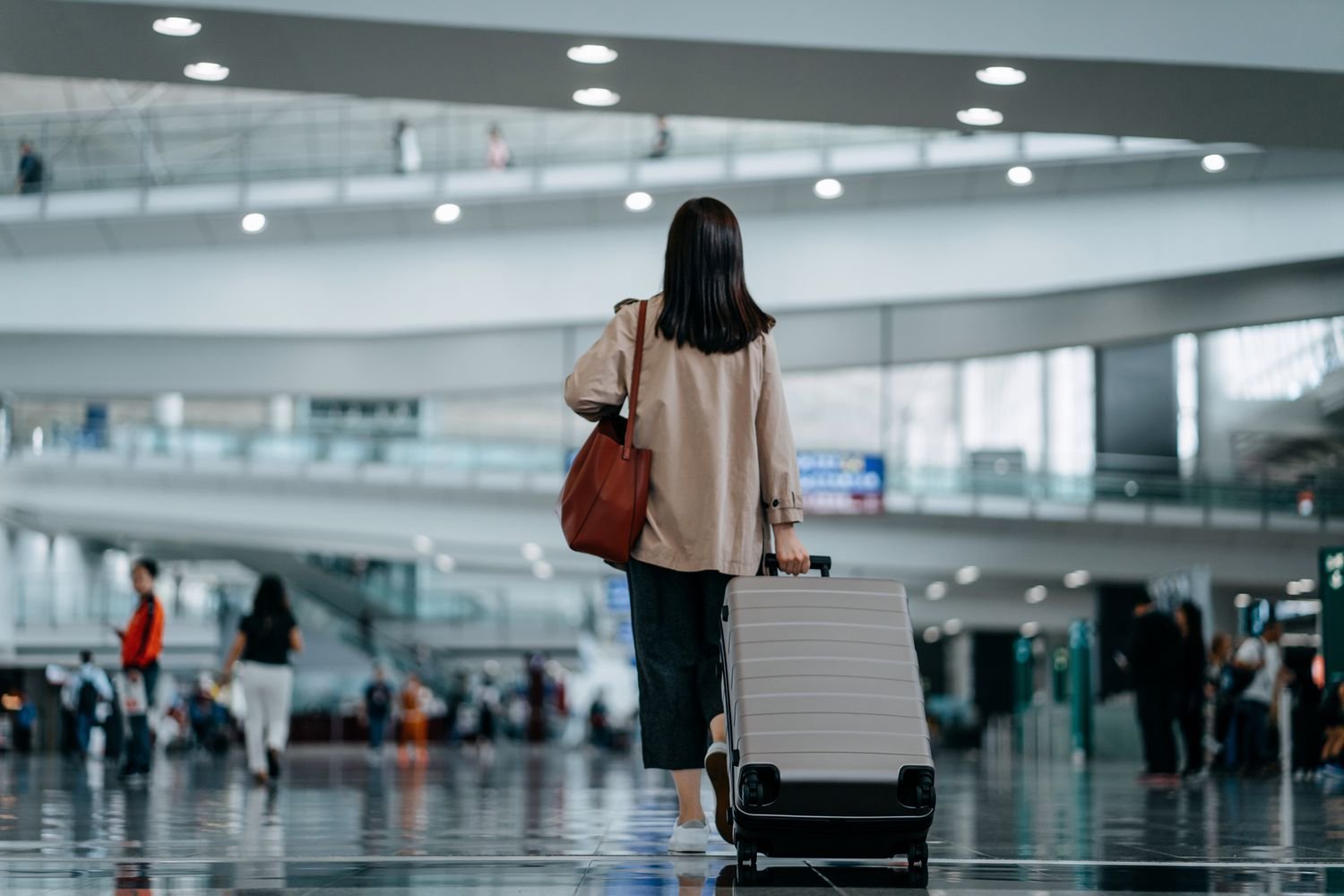
Navigating airports efficiently separates seasoned travelers from those who arrive stressed and delayed at their gates. The difference doesn’t come down to luck, it’s about strategic preparation and knowing which airport procedures will help you move smoothly through security checkpoints, terminals, and boarding processes. When you understand these techniques, travel transforms from a source of anxiety into a streamlined routine. Mastering the art of swift airport navigation saves you valuable time, reduces stress, and ensures you start your journey on a positive note. Whether you’re traveling monthly or just a few times per year, adopting the habits of frequent flyers can completely revolutionize your airport experience.
Pack Strategically for Security Screening
Your packing decisions directly determine how quickly you’ll progress through security checkpoints. Organize your carry-on bag with a dedicated pocket for electronics, keeping your laptop and tablet easily accessible for removal when required. Place liquids in a clear, quart-sized bag near the top of your luggage so you won’t need to rummage through clothing and personal items to find them. Choose clothing without metal embellishments, belts with minimal hardware, and slip-on shoes that eliminate those frustrating lacing delays at security stations.
Optimize Your Check-In and Documentation Process
Complete online check-in exactly 24 hours before your departure time to secure optimal seat assignments and boarding positions. Download your airline’s mobile application to access digital boarding passes, receive real-time gate change notifications, and bypass printing requirements entirely. Make sure all identification documents remain current and accessible in a dedicated travel wallet that prevents that awkward fumbling at checkpoints. For international travel, verify your passport validity extends at least six months beyond your return date and research visa requirements weeks before departure rather than days before you leave.
Master Security Checkpoint Navigation
Observe security line configurations when you arrive and select lanes designated for experienced travelers when available, as these typically move faster than family or assistance lanes. Start preparing while you’re still waiting in the queue by removing jackets, emptying pockets completely, and getting electronics ready for bin placement before you reach the conveyor belt. Place items systematically in bins with larger objects first, followed by shoes, then electronics, and finally your liquids bag on top for easy retrieval on the other side. Wear socks to avoid barefoot contact with checkpoint floors and maintain personal hygiene during the screening process.
Leverage Technology and Enrollment Programs
Enrollment in trusted traveler programs drastically reduces security wait times and provides access to expedited screening lanes at major airports nationwide. These programs require background checks and fingerprinting but grant approved status for several years, making the initial investment worthwhile for regular travelers. For those traveling through island destinations, a caribbean airport security fast pass helps to bypass standard security queues and ensures smoother transitions through regional airports. Mobile applications provide real-time security wait estimates, gate information, and airport terminal maps that prevent wrong turns and wasted steps. Set alerts for flight status changes to receive immediate notification of delays, cancellations, or gate modifications that might impact your travel plans. Digital wallet integration allows you to store loyalty cards, boarding passes, and payment methods in one location for seamless access throughout your journey. Technology transforms unpredictable airport variables into manageable information streams that keep you informed and in control during what can otherwise feel like a chaotic experience.
Navigate Terminals With Purpose and Awareness
Study airport terminal maps before you arrive to identify your gate location relative to security checkpoints and plan the most direct route. Walk with determination on the left side of corridors and moving walkways, respecting that the right side accommodates slower-moving passengers and standing travelers. Avoid stopping in high-traffic areas to check your phone or consult maps, instead move to wall spaces or seating areas that won’t disrupt pedestrian flow. Identify bathroom locations, dining options, and charging stations near your departure gate immediately upon arrival rather than during final boarding calls when time becomes tight.
Plan Your Airport Arrival Timing Intelligently
Calculate backward from your departure time to determine optimal arrival windows that balance security processing with unnecessary waiting at gates. Domestic flights typically require arrival two hours before departure, while international flights demand three hours to accommodate additional documentation and customs procedures. Consider airport-specific factors including size, security checkpoint quantity, and historical congestion patterns during your travel time. Research whether your departure airport experiences notable morning rushes, afternoon lulls, or evening crowds that influence security wait times throughout the day. Build buffer time for parking, shuttle transportation, or rideshare drop-off variables that fall outside your direct control and can introduce unexpected delays. Proper timing prevents both the anxiety of potentially missing flights and the boredom of excessive gate-area waiting that can diminish your overall travel experience before you even board.
Conclusion
Transforming yourself into an efficient airport navigator requires intentional preparation, strategic decision-making, and consistent implementation of proven techniques. The methods employed by frequent travelers aren’t secret or complicated, they’re simply practical approaches that anyone can adopt regardless of how often you travel. By preparing documentation in advance, packing thoughtfully for security screening, and moving through terminals with purpose, you eliminate the chaos that plagues unprepared passengers. These strategies compound over time, turning initially conscious efforts into automatic habits that make every airport visit smoother than the last. Implementing even a few of these recommendations will noticeably improve your travel experience and establish you as someone who navigates airports with the confidence and efficiency of a seasoned professional.