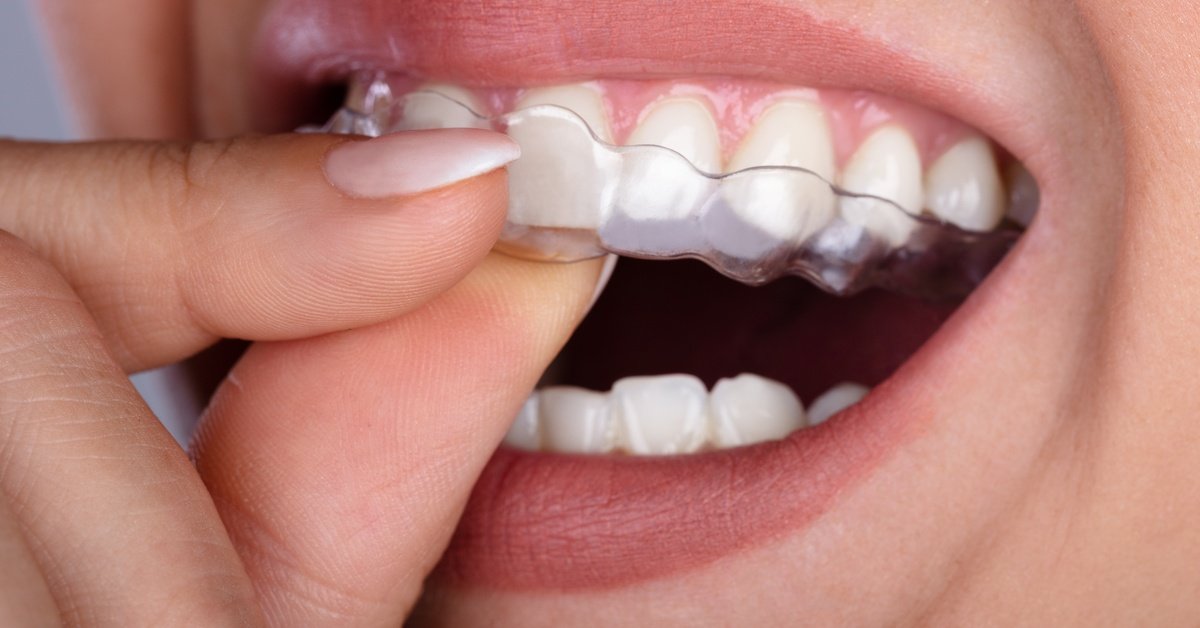
Clear aligners can look like a simple way to straighten your teeth without brackets or wires. They are removable, discreet, and often promoted as an easy fit for busy daily life. However, teeth still move through pressure, planning, and careful monitoring. Before starting treatment, it is worth asking a few safety questions so you understand what is being offered, who is guiding it, and what your mouth actually needs.
Clear aligners move teeth, so planning matters
Clear aligners are removable trays designed to guide teeth into new positions over time. Each tray usually makes small changes, and the next tray continues the process. This may sound simple, but the fit, pressure, timing, and treatment plan all matter. A mild spacing issue is not the same as a more complex bite problem.
That is why the first question is not “How fast will this work?” but “Is this the right treatment for my teeth?” Some concerns are about tooth position, while others are more about shape, edges, chips, or surface appearance. In those cases, a small chip or uneven edge may need a cosmetic fix rather than orthodontic movement. The right option depends on the real cause of the issue, not just how it looks in a photo.
Remote aligner care should still include real oversight
Online aligner services can sound attractive because they promise convenience and fewer appointments. That convenience can be useful, especially for people with busy schedules. But remote care should still feel like dental care, not just an online order. You should know who is checking your case, what they have reviewed, and how you can contact them if something does not feel right.
Before agreeing to treatment, the person responsible for your care should be clear from the start. A proper assessment should look at your teeth, gums, bite, dental history, and whether aligners are suitable at all. This becomes even more important when a plan claims to work with reduced daily wear. If you are comparing daytime and night-only options, it is worth understanding why a shorter wear schedule needs extra scrutiny before you commit.
Wear time matters because teeth need steady pressure
Aligners only work while they are in your mouth. If they are worn inconsistently, the planned movement may become less predictable. That is why clear aligners need a proper assessment before treatment, along with a realistic conversation about how long they must be worn each day. If your plan gives a specific wear schedule, ask why that schedule is right for your case.
Daily life can make aligner wear harder than it first appears. You may remove trays for meals, drinks, brushing, meetings, or social events, then forget to put them back in. If trays are not worn as planned, they may feel tight again or stop fitting properly. That does not always mean something serious is wrong, but it does mean progress should be checked rather than guessed.
Warning signs can help readers pause before paying
A good aligner plan should feel clear, not rushed. You should understand the risks, expected costs, alternatives, aftercare, and what happens if treatment does not go to plan. In direct-to-consumer orthodontics, the important parts include assessment, diagnosis, prescribing, supervision and monitoring, not just receiving trays in the post. If these details are vague, take time before making a payment.
Warning signs are not there to scare you. They are there to help you pause and ask better questions. Look out for:
- No named dentist, orthodontist, or responsible clinician
- No proper assessment before treatment starts
- No clear explanation of risks or alternatives
- Pressure to pay quickly
- No plan for retainers or follow-up care
The same idea applies across health decisions: unusual symptoms should be taken seriously rather than explained away. With aligners, that means paying attention if trays do not fit, pain feels unusual, or your questions are not being answered clearly.
Good questions reveal whether treatment fits your mouth
Good questions make treatment easier to understand. A trustworthy provider should answer calmly and clearly, not make you feel difficult for asking. If the answers sound vague, it may be better to wait, ask again, or get another opinion.
Before starting, ask practical questions such as:
- Who is responsible for my treatment?
- Have my teeth and gums been assessed?
- What tooth movements are being planned?
- How many hours per day must I wear the aligners?
- How will my progress be monitored?
- What happens if my teeth do not track as expected?
- What retainers will I need afterwards?
These questions help you see whether the plan is based on your mouth or just a general promise. They also make costs, timing, aftercare, and possible problems easier to compare. Clear aligner treatment should not rely on guesswork. The more specific the answers are, the easier it is to decide whether the plan feels safe and suitable.
Aftercare is part of treatment, not an optional extra
Clear aligner treatment does not simply end when the last tray is finished. Teeth can move again, especially if retainers are not worn as advised. That is why aftercare should be discussed before you start. Ask about retainer type, cleaning, storage, replacement, and how long they may be needed.
You should also know what to do if a tray stops fitting or discomfort feels unusual. Mild pressure can be normal, but ongoing pain, poor fit, or unexpected changes should not be ignored. Treatment should feel monitored, not abandoned once payment is made. A clear aftercare plan helps protect the time and effort already put into your smile.
Conclusion
Clear aligners can be a useful option when they are properly planned, supervised, and followed by good aftercare. The safest approach is to understand who is responsible, how your mouth will be assessed, what wear schedule is required, and what happens after treatment. Ask questions before committing, and take your time if any part of the plan feels unclear.