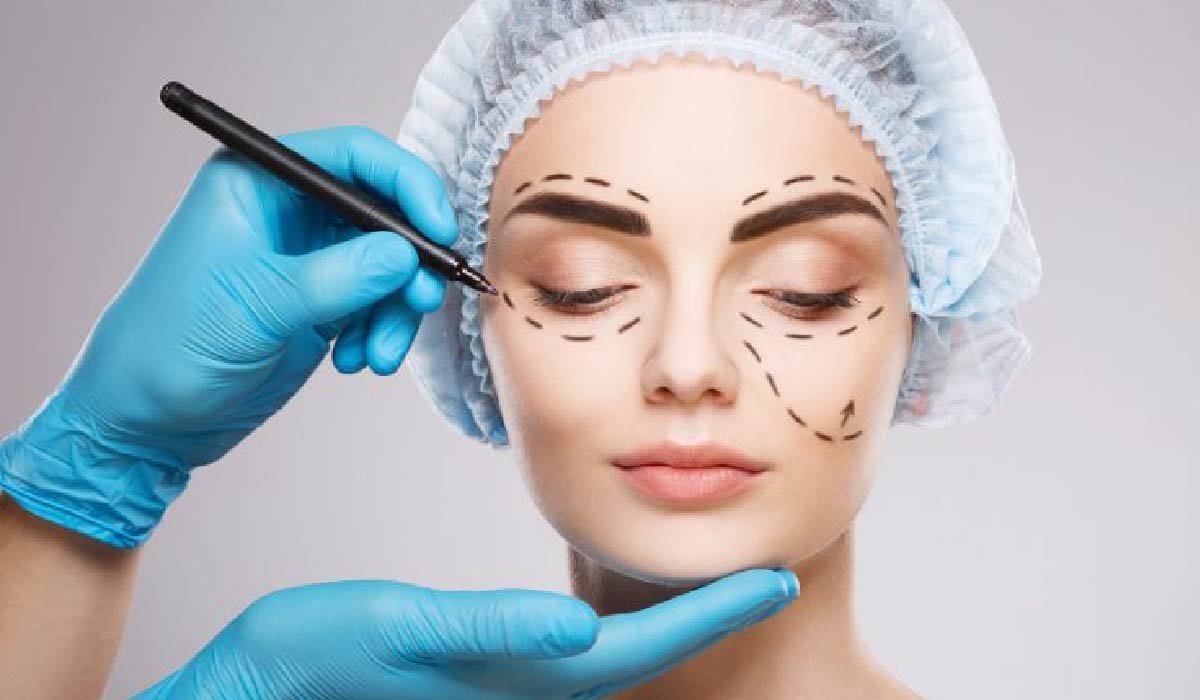
Changes to the face can happen for many reasons. Some people deal with injuries from accidents. Others notice changes over time due to aging. These changes can affect how a person looks and feels.
This is where facial plastic surgery may help. It focuses on improving or restoring facial features. It can be used for both medical and cosmetic reasons.
Experts from the American Society of Plastic Surgeons explain that facial procedures are often used to repair damage and improve function. At the same time, they can help people feel more confident.
What Is Facial Plastic Surgery and How Does It Work?
Simple explanation of facial procedures
Facial plastic surgery includes procedures done on the face and neck. These procedures aim to improve appearance or fix medical issues.
Some surgeries reshape parts of the face. Others repair damage or improve how certain features work.
Common types of surgeries explained
There are several common procedures, such as:
- Nose reshaping (rhinoplasty)
- Eyelid surgery (blepharoplasty)
- Facelifts to reduce signs of aging
- Scar revision for injuries
These procedures are planned based on each person’s needs.
Difference between cosmetic and reconstructive
Cosmetic surgery focuses on looks. It aims to enhance features and reduce signs of aging.
Reconstructive surgery is different. It focuses on fixing damage caused by injury, illness, or birth conditions.
Organizations like American Academy of Facial Plastic and Reconstructive Surgery highlight that both types can improve quality of life.
Where Facial Plastic Surgery Is Commonly Used
Cosmetic improvements and anti-aging
Many people choose surgery to reduce wrinkles or tighten skin. Aging can lead to sagging or loss of volume.
Procedures like facelifts or eyelid surgery help create a more refreshed look.
Medical and reconstructive purposes
Facial surgery is also used for medical reasons. This includes correcting breathing issues or repairing damage from disease.
Doctors may also use it to treat skin cancer or other conditions.
Fixing injuries or birth-related issues
Accidents can cause cuts, fractures, or scars. Facial plastic surgery can help repair these issues.
It is also used for birth conditions like cleft lip or facial asymmetry.
Groups like World Health Organization recognize the importance of reconstructive care in improving health outcomes.
Why People Consider Facial Plastic Surgery
Improving appearance and confidence
Appearance can affect how people feel about themselves. Some individuals seek surgery to feel more comfortable in their own skin.
A balanced and natural look can boost confidence.
Correcting functional problems like breathing
Some procedures are not just about looks. For example, nose surgery can improve breathing.
This makes daily life easier and more comfortable.
Restoring facial features after damage
Injuries can change facial features. Surgery can help restore shape and structure.
This is especially helpful after accidents or medical treatments.
Benefits of Facial Plastic Surgery
Enhanced facial balance and symmetry
Facial balance is important for overall appearance. Surgery can help improve symmetry and proportion.
This creates a more natural and even look.
Long-term aesthetic results
Many procedures offer lasting results. While aging continues, the improvements can last for years.
This makes surgery a long-term solution for some concerns.
Improved quality of life
Restoring facial features can improve daily life. People may feel more confident in social and work settings.
According to National Institutes of Health, reconstructive procedures can support both physical and emotional well-being.
Things to Consider Before Choosing Surgery
Safety and possible risks
Like any medical procedure, facial plastic surgery has risks. These may include swelling, infection, or scarring.
It’s important to understand these risks before making a decision.
Cost and recovery time
Surgery can be expensive. Recovery may take days or weeks, depending on the procedure.
You should plan for both time and cost.
Choosing a qualified specialist
Selecting a skilled and certified surgeon is very important. A qualified expert can reduce risks and improve results.
Always check credentials and experience before proceeding.
Facial Plastic Surgery vs Non-Surgical Treatments
Key differences in results and recovery
Surgical treatments often provide more noticeable and long-lasting results.
Non-surgical options like fillers or Botox offer quicker recovery but temporary results.
When non-surgical options may work
For mild concerns, non-surgical treatments may be enough. These include fine lines or small volume loss.
They are less invasive and require little downtime.
Which option fits your needs
The best choice depends on your goals. If you want long-term change, surgery may be better.
If you prefer a simple and quick option, non-surgical methods may work.
Is Facial Plastic Surgery Right for You?
Signs you may consider a procedure
You may consider surgery if:
- You have visible facial changes from aging
- You have scars or injuries affecting your appearance
- You have functional issues like breathing problems
These signs can guide your decision.
Questions to ask during consultation
Before surgery, ask questions like:
- What are the risks?
- What results can I expect?
- How long is recovery?
Clear answers help you feel confident in your choice.
Setting realistic expectations
It’s important to have realistic goals. Surgery can improve features, but it won’t create perfection.
A natural and balanced result is often the best outcome.
Conclusion
Facial plastic surgery can play an important role in restoring features after injury or aging. It offers both cosmetic and medical benefits, helping people look and feel better.
From repairing damage to improving function, these procedures can make a real difference. Experts from American Society of Plastic Surgeons continue to highlight the value of safe and well-planned treatments.
However, it’s important to make informed decisions. Understanding the risks, costs, and expected results is key.
In the end, facial plastic surgery is a personal choice. When done for the right reasons and with proper care, it can help restore not just appearance, but also confidence and quality of life.