
Blog
Acryldach Roofing: Ultimate Guide to a Smart Modern Roof

Published
6 months agoon
By
Admin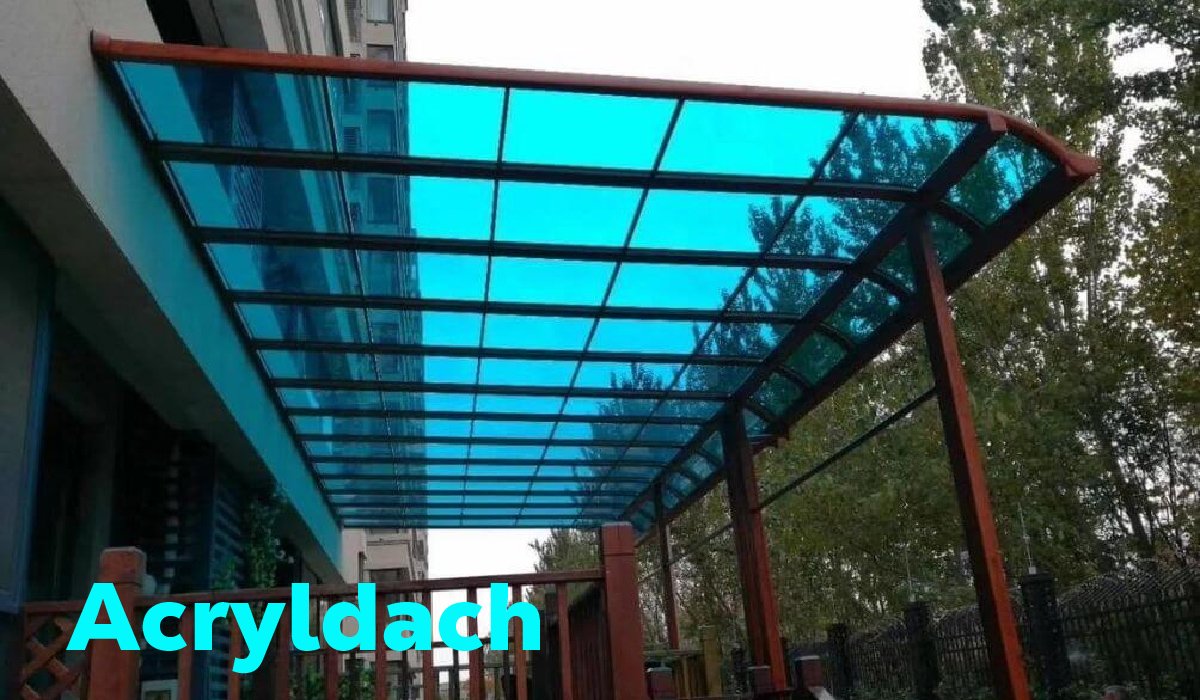
Acryldach is a modern roofing solution made from acrylic materials that combine protection, light transmission, and visual appeal in one system. The word comes from two parts: “acryl,” which refers to acrylic, and “dach,” the German word for roof. Many people search for Acryldach because they want a roof that is not only practical but also bright, clean-looking, and suitable for modern spaces. Unlike many traditional roofing materials that make an area feel closed and dark, acrylic roofing helps create a more open and comfortable environment. This is why it is often chosen for patios, pergolas, skylights, greenhouses, canopies, and many commercial buildings where natural light is an important part of the design.
The growing popularity of Acryldach is closely linked to the way people build today. Homeowners want outdoor areas that feel connected to nature, while businesses want bright spaces that reduce the need for artificial lighting. Acrylic roof panels and PMMA roof sheets answer both needs by offering transparent roofing that is lighter than glass and more refined than many ordinary plastic sheets. Acryldach is now seen as a modern roofing material that balances beauty and performance. In this article, you will learn what Acryldach means, what it is made from, which types are available, how it compares with other roofing materials, where it works best, how it is installed and maintained, what affects its lifespan and cost, and how to decide whether it is the right choice for your project.
What Is Acryldach?
Acryldach is a roofing system made from acrylic materials, most commonly PMMA, which stands for Polymethyl Methacrylate. In simple words, it is an acrylic roof designed to provide weather protection while still allowing light to pass through. It may be clear, tinted, textured, flat, corrugated, or multiwall depending on its use. Many people first assume that Acryldach is just another form of plastic roofing, but there is an important difference. General plastic roofing can include many low-cost materials that are not made for long-term clarity or strong weather resistance. Acrylic roofing, by contrast, is valued because it offers a better balance of transparency, strength, and outdoor durability.
People choose Acryldach over traditional roofing materials for several reasons. It is lighter than glass, which makes handling and installation easier. It also gives a cleaner and more elegant appearance than many standard plastic sheets. In spaces like pergolas, skylights, and greenhouses, the ability to let in daylight is a major advantage. Instead of creating a dark covered space, Acryldach keeps the area bright while still offering protection from rain and changing weather. This beginner-friendly idea is the key to understanding the topic. Acryldach is not simply a sheet placed over a frame. It is a specialized roofing solution designed for people who want both function and light.
What Materials Are Used in Acryldach?
The core material used in Acryldach is PMMA, also known as acrylic. PMMA is a transparent thermoplastic that is widely used in construction because it is light, durable, and visually clear. It is often described as an alternative to glass because it can offer a similar bright appearance without the same weight and breakage risk. This is one of the main reasons acrylic roofing is used in spaces where natural light matters. It helps create open and inviting environments while remaining easier to work with than many heavier materials. For roof structures, this lower weight can also reduce the burden on the supporting frame.
Acrylic is different from ordinary plastic because it is made to perform better in outdoor conditions. Quality Acryldach products usually include UV-resistant additives and weather-protective coatings that help the material stay clear and stable over time. Without this protection, some plastic materials may become yellow, brittle, or cloudy after long exposure to sunlight. Acrylic sheets can also come in different finishes such as clear, opal, bronze, tinted, and textured surfaces. These options allow users to choose between maximum transparency, softer light, or more privacy. Thickness also matters. Thinner panels may be suitable for small, light-duty uses, while thicker panels offer better strength, rigidity, and durability for larger roofs or more demanding climates.
Types of Acryldach Roofing Systems
Acryldach includes several roofing forms, which makes it suitable for many kinds of projects. Flat acrylic roof sheets are often used where a clean, sleek, and modern appearance is desired. They are common in patios, skylights, and architectural applications where design matters just as much as performance. Corrugated acrylic roofing sheets have a wave-shaped profile that increases strength and helps water drain more easily. These are often selected for sheds, canopies, carports, agricultural buildings, and industrial spaces where simple installation and stronger sheet support are important.
Another important type is multiwall or twinwall acrylic panels. These contain hollow chambers inside the panel, which help improve insulation and reduce heat transfer. That makes them a strong option for greenhouses, garden rooms, and spaces where temperature control is more important. Acrylic skylight panels are also widely used because they allow daylight to reach inside a building without needing a full glass roof system. For pergolas and patios, acrylic roofing panels are often chosen to create a protected outdoor area that still feels open and bright. In addition to rigid panels, some roofing systems also use liquid-applied acrylic coatings on flat or low-slope roofs. These coatings form a waterproof protective layer and show that Acryldach can refer to more than one type of acrylic-based roof solution.
Key Features of Acryldach
One of the most noticeable features of Acryldach is its high light transmission. Clear acrylic panels allow large amounts of daylight to pass through, which can make both indoor and outdoor areas feel more comfortable and visually open. This feature is especially valuable in spaces like greenhouses, pergolas, patios, and skylights where brightness adds both function and beauty. Acryldach is also lightweight compared with glass and many traditional roofing options. This lower weight often means easier transport, simpler handling, and less structural pressure on the supporting frame.
Other important features include weather resistance, UV stability, and design flexibility. Good-quality acrylic roofing is made to handle rain, sunlight, and temperature change without quickly losing its usefulness or visual quality. UV protection helps the panels resist yellowing and surface aging. Acryldach also has visual appeal because it suits many modern architectural styles and can be made in different colors and finishes. Low maintenance is another practical benefit, since regular cleaning and basic inspection are often enough to keep it in good condition. When properly installed, it can offer a reliable service life and work in both residential and commercial settings.
Benefits of Acryldach for Homes and Buildings
The real value of Acryldach becomes more clear when looking at how it improves everyday spaces. One major benefit is the way it increases natural daylight. A covered patio or pergola can feel dark with traditional roofing, but acrylic roofing helps maintain brightness without leaving the area exposed to rain or sun. This creates a more pleasant environment for daily use. In buildings with skylights or daylighting roof sections, Acryldach may also reduce the need for artificial lighting during the day. That can improve comfort and may support lower energy use in some situations.
Another benefit is easier installation compared with heavier materials such as glass or roof tile. Acrylic roof panels are simpler to handle, and this may reduce labor complexity in many projects. Acryldach also offers a modern and elegant look, which is important for homeowners and businesses that want the roof to support the appearance of the property. For outdoor dining spaces, greenhouses, and covered walkways, the combination of weather protection and light makes it especially useful. Over time, lower maintenance needs and good durability can add value as well. This is why many people see Acryldach not only as a roofing material, but as an investment in comfort, appearance, and long-term usability.
Acryldach vs Polycarbonate Roofing
Acryldach is often compared with polycarbonate because both are light-transmitting roofing materials used in similar kinds of spaces. Acrylic usually offers better clarity and a more glass-like appearance, which makes it attractive in projects where visual quality matters. It can help a patio, pergola, or skylight look brighter and cleaner, especially when long-term appearance is important. Acrylic is also known for good UV stability when made as a quality product, which means it may keep its clear look better over time than some lower-grade alternatives.
Polycarbonate, however, is usually stronger in terms of impact resistance. That means it may be the better choice in areas where hail, debris, or rough conditions are a major concern. In price, both materials vary depending on quality, thickness, and coating. The honest comparison is that acrylic is often chosen for appearance, clarity, and light quality, while polycarbonate is often chosen when toughness is the main concern. Neither is automatically better in every case. The best choice depends on whether your project values beauty and brightness more, or impact strength and extra durability against physical force.
Acryldach vs Glass Roofing
Glass roofing has long been associated with premium design, but Acryldach offers several practical advantages. The first is weight. Acrylic is much lighter than glass, which reduces the structural demand on the building and makes installation easier. This can be a major advantage for pergolas, patio roofs, and other structures where a lighter frame is helpful. Acrylic is also less likely to shatter into dangerous sharp fragments, which improves safety in many everyday applications.
In terms of appearance, both materials can create a bright and attractive space. Glass may feel more premium in some architectural settings, but acrylic often delivers a similar visual effect with greater flexibility and easier handling. Acrylic is also easier to cut and shape for many projects. The main weakness of acrylic is that it can scratch more easily, while glass is harder on the surface but heavier and more fragile when hit. For skylights, pergolas, and patios, Acryldach often offers a practical middle path between beauty, safety, cost, and ease of installation.
Acryldach vs Fiberglass and Traditional Roofing Materials
When compared with fiberglass, Acryldach usually offers a more refined appearance and better visual clarity. Fiberglass can work well in some roofing applications, but it often does not have the same clean transparent look as acrylic. Over time, some fiberglass materials may also become more brittle or less visually attractive. Compared with traditional materials like metal, asphalt, or tile, Acryldach plays a very different role. Traditional roofs are excellent when the main purpose is complete weather protection and long-term solid coverage, but they block light and create darker covered spaces.
Acryldach is most useful where people want a balance of shelter and brightness. This makes it ideal for structures like greenhouses, skylights, canopies, and patios. Metal or tile may be better for a main roof that should fully close the building and support strong insulation, but acrylic is better when natural light is part of the design goal. In this way, Acryldach is not replacing every traditional roofing material. Instead, it fills a special need where clear or semi-clear roofing can improve comfort, function, and appearance.
Where Is Acryldach Commonly Used?
Acryldach is used in many different places because it works well in both private and commercial settings. In residential spaces, it is popular for patios, pergolas, balconies, carports, and garden seating areas. It helps create covered outdoor zones that remain bright and usable during more of the year. Skylights are another common use because acrylic allows daylight to enter kitchens, hallways, living rooms, and work areas without needing a heavy glass structure. In greenhouses, acrylic roofing is highly valued because plants benefit from strong natural light while still being protected from rain and wind.
In commercial and public spaces, Acryldach is often found in canopies, covered walkways, shopping areas, warehouse daylight panels, and entrance roofs. It can also be used in agricultural buildings where controlled light and weather protection are both useful. The practical reason behind all of these uses is simple. Acryldach protects a space without making it dark. That makes it especially suitable for structures where people want to feel sheltered but still connected to natural light.
Is Acryldach Good for Greenhouses, Pergolas, and Skylights?
Acryldach is especially well suited for greenhouses, pergolas, and skylights because these are all spaces where daylight matters. In a greenhouse, acrylic roofing allows strong light entry, which supports healthy plant growth. At the same time, it provides protection from rain, wind, and changing outdoor conditions. Multiwall acrylic panels can also improve insulation, which helps in climates where temperature control is important. In pergolas, Acryldach helps create a more comfortable outdoor living area by keeping the space bright while protecting it from direct rain and strong sun.
For skylights, acrylic is a practical choice because it lets daylight travel into the building, often making rooms feel larger and more open. It can be clear for maximum brightness, opal for softer light, or tinted for more glare control. Privacy and transparency can therefore be adjusted depending on the project. This flexibility is one of the main reasons Acryldach is so often recommended for these three applications. It meets both functional and visual needs in a simple but effective way.
How Strong and Durable Is Acryldach?
Acryldach can be strong and durable when the right material grade is chosen and the installation is done correctly. It is built to resist rain, UV exposure, and many normal outdoor conditions. It also performs well in both warm and cold weather, although design details must account for movement caused by temperature changes. The thickness of the panel has a direct effect on strength. Thicker sheets usually provide better support, stability, and performance in larger roof areas or places with stronger weather exposure.
Durability also depends on product quality. High-grade acrylic with proper UV protection is more likely to keep its appearance and function over time. Low-quality panels may lose clarity faster or become weaker in harsh conditions. Climate also matters, since strong sun, heavy wind, hail, and snow all place different demands on the roof system. Proper installation is just as important as the material itself. Even good panels may fail early if they are badly supported or fixed too tightly. So the strength of Acryldach is not only about the sheet. It is about the full roofing system working together.
Is Acryldach Waterproof and Weather Resistant?
Acryldach can provide very good waterproofing and weather resistance when installed properly. The acrylic material itself does not absorb water like some other materials might, and the roof can effectively keep out rain and snow when the sheets are overlapped, sealed, and fixed correctly. Proper slope is essential because water must flow away instead of collecting on the roof surface. Flashing, joints, and fastening points also need careful sealing so that moisture cannot enter through gaps.
Weather resistance depends on good design as well as good material. In rainy areas, drainage must be planned properly. In snowy or windy climates, the supporting structure and panel thickness must match the local demands. For flat or low-slope roofs, liquid-applied acrylic coatings can improve waterproof performance by creating a continuous protective layer. This means Acryldach is not only attractive. It can also be a dependable weather-resistant roof system when chosen and installed in the right way.
Acryldach Installation Guide
Installing Acryldach starts with planning and measurement. The roof area must be measured accurately so the right panel size, thickness, support spacing, and slope can be selected. The supporting frame should be stable and made from suitable materials such as aluminum, steel, or treated wood. Acrylic panels must be cut carefully using appropriate tools, because rough handling or poor cutting can create stress cracks or scratches. During installation, the sheets are fixed with proper fasteners, often combined with rubber washers and sealants to help prevent leaks and protect the panel surface.
One of the most important installation details is allowing room for thermal expansion. Acrylic expands and contracts with changes in temperature, so the roof should never be fixed too tightly. The installer must leave correct spacing around fasteners and edges so the material can move safely. After the panels are installed, the joints, seals, slope, and drainage path should all be checked carefully. A well-installed Acryldach roof is not only about placing sheets on a frame. It is about creating a system that can remain strong, watertight, and visually clean over time.
DIY vs Professional Installation
Some small Acryldach projects can be handled by experienced DIY users, especially if the roof is simple and the person understands measuring, cutting, sealing, and correct support spacing. A small pergola cover or light patio roof may be possible as a home project. However, acrylic roofing is less forgiving than some people expect. If holes are drilled incorrectly, if fasteners are overtightened, or if expansion space is ignored, the panels can crack or leak.
Professional installation is usually the better option for large roofs, commercial spaces, skylights, or projects in difficult weather conditions. A trained installer is more likely to understand structural support, waterproofing details, and manufacturer requirements. Professional work can also help protect warranty coverage. For people who want long-term performance and fewer problems, expert installation often makes more sense than trying to save money on a complex job.
Maintenance and Cleaning of Acryldach
Acryldach is relatively easy to maintain, but regular care helps keep it in good condition. Cleaning should be done with mild soap, water, and a soft cloth or sponge. Harsh chemicals, rough brushes, and abrasive cleaners should be avoided because they can scratch or damage the acrylic surface. Dust, leaves, and dirt should be removed so that water can drain properly and the roof can continue to look clear and attractive.
It is also important to inspect seals, joints, fasteners, and framing during seasonal maintenance. Small problems are easier to fix before they become larger ones. A good habit is to check the roof after heavy weather and at the start of a new season. With simple cleaning and basic inspection, Acryldach can continue to perform well and keep its visual appeal for many years.
Common Problems With Acryldach and How to Avoid Them
Like any roofing material, Acryldach can have problems if the wrong product is chosen or if it is installed poorly. Scratches are one of the most common issues because acrylic surfaces are not as hard as glass. Careful handling and gentle cleaning help reduce this risk. Another issue is expansion and contraction. If the roof does not have enough movement space, panels may become stressed and eventually crack. Poor installation can also lead to leaks, especially around joints, fasteners, or flashing details.
Low-quality panels may become cloudy or yellow after long exposure to sunlight, which is why product quality matters. Some users also notice more roof noise during heavy rain compared with thicker solid roofing systems. Incorrect framing support can also reduce performance and lead to sagging or weak points. Most of these problems can be avoided by choosing a reliable material, using proper support spacing, following good installation methods, and carrying out regular maintenance.
How Long Does Acryldach Last?
The lifespan of Acryldach depends on material quality, thickness, UV protection, climate, and maintenance. In general, a well-made acrylic roofing system can remain useful for many years when installed and cared for correctly. Strong UV coatings help the roof resist yellowing and surface aging, while good maintenance helps prevent damage from dirt buildup and neglected seals.
In harsh climates with strong sun, heavy storms, or repeated temperature change, the roof may age faster if the wrong panel type is used. In milder conditions, good-quality Acryl dach can remain attractive and functional for a long time. Replacement may be needed when panels lose clarity, develop structural cracks, or no longer provide proper waterproofing. Lifespan is therefore not fixed in all cases, but high-quality material and good installation strongly improve long-term performance.
Acryldach Costs and Price Factors
The cost of Acryldach depends on several things, including panel thickness, finish, color, sheet design, brand quality, and installation labor. Clear sheets may cost differently from tinted or textured options, and multiwall panels are usually priced differently from flat or corrugated sheets because of their added structure and insulation benefits. The size and complexity of the roof also affect cost. A simple pergola cover is very different from a large skylight system or commercial canopy.
It is also important to think beyond the panel price alone. Accessories such as seals, fasteners, framing parts, and flashing details all add to the total cost. Installation labor can be a major factor, especially for larger or more technical projects. Cheaper materials may look attractive at first, but they can cost more in the long run if they turn cloudy, fail early, or need replacement sooner. This is why many buyers focus on value rather than the lowest starting price.
Is Acry ldach Worth the Investment?
Acryldach can be worth the investment for people who need a roof that combines light, modern appearance, and practical weather protection. The upfront cost may be higher than some low-cost roofing materials, but the value often becomes clear over time. Natural daylight can improve comfort and reduce daytime lighting needs. Lower maintenance compared with some traditional systems can also add to its value. When chosen well, acrylic roofing can serve for many years while continuing to support the appearance of the building.
It is especially worthwhile for users who care about bright outdoor living spaces, greenhouse function, skylight performance, or modern architectural design. For someone who only needs a basic opaque protective roof, other materials may be more suitable. But for people who want both shelter and light, Acryl dach often offers a strong balance of benefits that makes the investment reasonable.
How to Choose the Right Acry ldach for Your Project
Choosing the right Acryldach begins with understanding the purpose of the roof. A patio, greenhouse, skylight, and carport do not all need the same panel type. The right thickness depends on panel span, climate, and structural support. Color and transparency level also matter. Clear panels offer maximum brightness, while opal or tinted panels reduce glare and may add privacy. Flat, corrugated, and multiwall sheets each serve different needs, so the project type should guide the choice.
Climate is another key factor. In areas with strong sun, UV protection is very important. In colder or storm-prone regions, strength, support spacing, and snow or wind load performance matter more. Manufacturer quality and warranty should also be considered carefully. Buying a roofing system from a trusted source often gives better long-term results than choosing the cheapest available option.
Building Codes, Safety, and Buying Considerations
Before installing Acryldach, local building codes should always be checked. Different areas may have rules about wind loads, snow loads, fire performance, structural support, and approved installation methods. These rules matter because a roof must not only look good but also perform safely under local conditions. Manufacturer instructions are equally important because they explain the correct way to support, cut, fasten, and seal the panels.
Safety should always come first, especially for larger roofs and public-facing structures. On bigger projects, certified installers may be necessary to meet code and warranty requirements. Buyers should also check warranty terms carefully so they understand what is covered and what installation conditions must be followed. Good decisions at the buying stage often prevent costly mistakes later.
Best Places to Use Acry ldach in Modern Architecture
Acryldach fits especially well into modern architecture because it supports open, bright, and simple design. Contemporary homes often use it in patio covers, garden rooms, and indoor-outdoor transition spaces where natural light helps create a calm and welcoming atmosphere. Minimalist pergolas and outdoor dining spaces also benefit from its clean look and practical weather protection. In commercial buildings, it works well for bright entrances, walkway covers, atrium zones, and sheltered outdoor seating areas.
Its role in sustainable architecture is also growing because daylight-friendly design is becoming more important. Spaces that use natural light well can feel better to use and may reduce dependence on artificial lighting during the day. This makes Acryl dach attractive not only as a visual feature, but also as part of a smarter and more efficient building design approach.
Conclusion
Acryldach is a modern roofing solution that combines light, durability, weather resistance, and style in a way that few other materials can. It is made mainly from acrylic materials such as PMMA and is valued for its ability to create bright, protected spaces without the weight and breakage concerns of glass. Its main strengths include good light transmission, a lightweight structure, visual appeal, and useful long-term performance when installed and maintained properly.
It works especially well in patios, skylights, pergolas, greenhouses, canopies, and many commercial spaces where daylight is part of the design goal. For homeowners, builders, and businesses that want a roof that protects while still feeling open and modern, Acryl dach is a strong option to consider. The best results come from choosing the right panel type, the right quality, and the right installation method for the specific project.
FAQs
What is Acryldach?
Acryldach is a roofing system made from acrylic sheets, usually PMMA (Polymethyl Methacrylate). It is used as a transparent or semi-transparent roof for patios, pergolas, skylights, greenhouses, and canopies. It allows natural light to enter while protecting the area from rain, wind, and UV rays. Acryldach is lighter than glass and more durable than many basic plastic roofing materials, which makes it a popular modern roofing solution.
Is Acryldach better than polycarbonate?
Acryldach and polycarbonate are both good roofing materials, but they are used for different purposes. Acryldach offers better clarity, better light transmission, and better resistance to yellowing over time. Polycarbonate is stronger against heavy impacts like hail. If you want a bright and visually clear roof, Acryldach is often the better choice. If you need very high impact resistance, polycarbonate may be better.
How long does Acry ldach last?
Acryldach can last many years when high-quality acrylic panels are used, and the roof is installed properly. The lifespan depends on material quality, UV protection, climate, and maintenance. Regular cleaning and proper installation can help the roof last longer and maintain its clear appearance.
Is Acryldach waterproof?
Yes, Acryldach can be waterproof when it is installed correctly. The acrylic panels themselves are water-resistant, but proper sealing, correct overlap, and a suitable roof slope are necessary to prevent leaks. When installed properly with good sealing and drainage, Acryldach provides reliable protection from rain and snow.
Where is Acry ldach commonly used?
Acryldach is commonly used in patios, pergolas, carports, balconies, skylights, greenhouses, walkways, canopies, and commercial entrances. It is used in places where people want weather protection but also want natural light. This makes it ideal for both residential and commercial buildings where bright covered spaces are needed.
Read More: Veganovies com Truth: Shocking Facts You Must Know Before Visiting
For More Information, Visit Elightwave
You may like

What Should You Do If You Have Been Falsely Accused of Sexual Assault?

CO2 Liquefaction: efficient solutions for producing liquid CO2

Quality Custom Barbie Doll Boxes for Retail Display Use.

Who Is Denika Kisty? The Full Story of Jason Williams’ Wife and Former Athlete

FoxFiny com Review: Powerful Simple Platform You Should Try
