
Business
Smart Waste Disposal Solutions: How to Choose the Ideal Skip Bin Size for Any Project

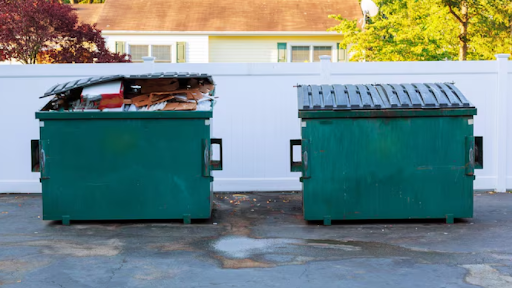
Understanding the Importance of Choosing the Correct Skip Bin
Managing waste efficiently is one of the most important parts of any clean-up, renovation, construction, or landscaping project. Whether clearing out a household garage, renovating a property, or handling construction debris, choosing the right skip bin size can make the entire process smoother and more cost-effective. Understanding what size skip bin you need can help reduce unnecessary costs, prevent overfilling, and ensure waste is removed efficiently throughout the project. Many people underestimate the amount of rubbish their project will generate, leading to issues such as overfilled bins, additional collection fees, or the inconvenience of arranging multiple skip bin hires.
Selecting the correct skip bin size is more than simply finding a container for rubbish. It involves understanding the type of waste involved, the duration of the project, local regulations, and the most efficient way to dispose of materials responsibly. A properly sized skip bin helps save money, reduces unnecessary waste management complications, and supports environmentally friendly disposal practices.
As waste management services continue to evolve, skip bins have become an essential solution for both residential and commercial projects. Understanding how to choose the ideal skip bin size can help property owners, contractors, and businesses manage waste efficiently while avoiding unnecessary stress.
Why Skip Bins Are Essential for Waste Management
Skip bins provide a practical and organised way to collect and dispose of rubbish. Instead of making multiple trips to disposal facilities, users can have a skip bin delivered directly to their location and filled at their convenience. This simplifies waste handling while saving considerable time and effort.
For residential users, skip bins are commonly used during spring cleaning, moving house, garden maintenance, or home renovations. Commercial businesses and construction companies often rely on larger bins for handling building materials, demolition debris, and industrial waste.
The convenience of skip bins also improves workplace and household safety. Accumulated waste can create hazards, especially on construction sites or during renovation projects. A designated waste container helps maintain cleaner surroundings and reduces the risk of accidents caused by scattered debris.
In addition to convenience, skip bins contribute to environmental sustainability. Many waste management companies sort and recycle materials collected from skip bins, reducing the amount of waste sent to landfills. Proper waste separation and disposal help support recycling initiatives and minimise environmental harm.
Assessing the Volume of Waste
One of the most important steps in choosing a skip bin is estimating the amount of waste your project will produce. Different projects create different types and quantities of rubbish, so understanding the overall scale of the job is essential before selecting a bin size.
Smaller household clean-ups may only require a compact skip bin, while larger renovation or demolition projects often generate significant amounts of debris that demand larger containers. Underestimating waste volume can lead to overflowing bins and additional charges, while choosing a skip bin that is too large may result in paying for unused space.
Waste volume is generally measured in cubic metres. A cubic metre represents the amount of material that fits within a space measuring one metre in width, height, and depth. Visualising waste in cubic metres can help determine which skip bin size is most appropriate.
Furniture, construction materials, garden waste, and household junk all occupy different amounts of space. Bulky items such as mattresses, couches, and cabinets may quickly fill a skip bin even if they are relatively lightweight. On the other hand, heavy materials like bricks and soil may not occupy much space but can add substantial weight.
Carefully evaluating both the size and type of waste helps ensure a more accurate skip bin selection.
Small Skip Bins for Household Clean-Ups
Small skip bins are commonly used for domestic projects and minor clean-up tasks. These compact bins are suitable for removing household clutter, disposing of garden waste, or clearing out storage areas such as garages and sheds.
A smaller skip bin is often ideal for projects that involve limited waste generation. Homeowners who are decluttering or performing light landscaping work may find these bins sufficient for their needs. Despite their smaller size, compact skip bins can still hold a surprisingly large amount of rubbish when packed efficiently.
Their smaller footprint also makes them convenient for properties with limited space. They can usually fit comfortably in driveways or smaller outdoor areas without causing significant obstruction.
Additionally, smaller skip bins tend to be more affordable, making them an economical option for simple waste disposal tasks. They are particularly useful for short-term projects where only moderate amounts of rubbish need to be removed.
Medium-Sized Skip Bins for Renovations and Larger Projects
Medium-sized skip bins are among the most versatile options available. They are commonly chosen for home renovation projects, medium-scale landscaping work, and larger residential clean-ups.
Renovations often generate mixed waste materials such as wood, tiles, old fixtures, broken furniture, plasterboard, and packaging materials. A medium-sized skip bin provides enough capacity to accommodate these items without requiring multiple collections.
Garden makeovers can also produce large amounts of green waste, soil, branches, and unwanted outdoor materials. A medium skip bin allows homeowners to dispose of this waste efficiently while keeping the project area organised.
For many users, medium-sized bins provide the perfect balance between affordability and capacity. They offer sufficient space for substantial waste volumes without occupying excessive property space.
Large Skip Bins for Construction and Commercial Waste
Large skip bins are designed for substantial waste disposal requirements. Construction projects, commercial renovations, demolition work, and industrial clean-ups often require larger bins capable of handling heavy and bulky materials.
Construction debris such as concrete, bricks, timber, metal, and roofing materials can quickly accumulate on work sites. Large skip bins provide the capacity needed to manage these materials safely and efficiently.
Commercial businesses also benefit from larger skip bins during office relocations, warehouse clearances, or retail renovations. These projects often involve disposing of furniture, shelving, electronic equipment, and packaging waste.
Using appropriately sized large skip bins helps improve productivity by minimising interruptions caused by overflowing waste containers. It also supports safer working conditions by maintaining cleaner project areas.
Factors That Affect Skip Bin Selection
Several important factors influence the choice of skip bin size. One of the most significant considerations is the type of waste being disposed of. Heavy waste materials such as soil, bricks, and concrete require specialised bins that can safely support the weight. Lightweight materials like cardboard or garden waste occupy more space but place less strain on the container.
The duration of the project also matters. Longer projects may produce waste gradually over time, requiring a larger skip bin or extended hire period. Short-term projects with concentrated waste generation may benefit from a larger bin that can accommodate all rubbish at once.
Available space at the property should also be considered. Some properties have limited access or restricted driveway space, which may affect the size of skip bin that can be delivered safely.
Budget is another major consideration. Larger skip bins generally cost more to hire, but selecting a bin that is too small may lead to additional expenses if multiple collections become necessary.
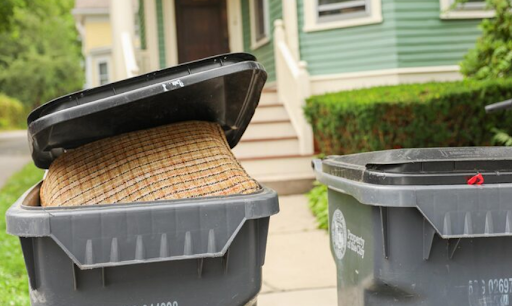
The Future of Skip Bin and Waste Management Services
The waste management industry continues to evolve alongside growing environmental awareness and technological innovation. Modern skip bin providers increasingly adopt sustainable practices and advanced waste sorting systems to improve recycling rates.
Digital booking systems, real-time collection tracking, and smart waste management technologies are also becoming more common. These improvements make skip bin services more convenient and efficient for customers.
As governments introduce stricter environmental policies, responsible waste disposal will become even more important in both residential and commercial sectors. Skip bins will continue to play a major role in helping communities manage waste safely and sustainably.
Choosing the right skip bin size remains one of the most important decisions in any waste disposal project. By understanding the nature of the project, estimating waste accurately, and considering environmental responsibilities, individuals and businesses can ensure efficient rubbish management while contributing to a cleaner and more sustainable future.

Hiring for Healthcare Administration: What Clinics and Practices Often Get Wrong

What Should You Do If You Have Been Falsely Accused of Sexual Assault?

CO2 Liquefaction: efficient solutions for producing liquid CO2

Who Is Denika Kisty? The Full Story of Jason Williams’ Wife and Former Athlete

FoxFiny com Review: Powerful Simple Platform You Should Try
