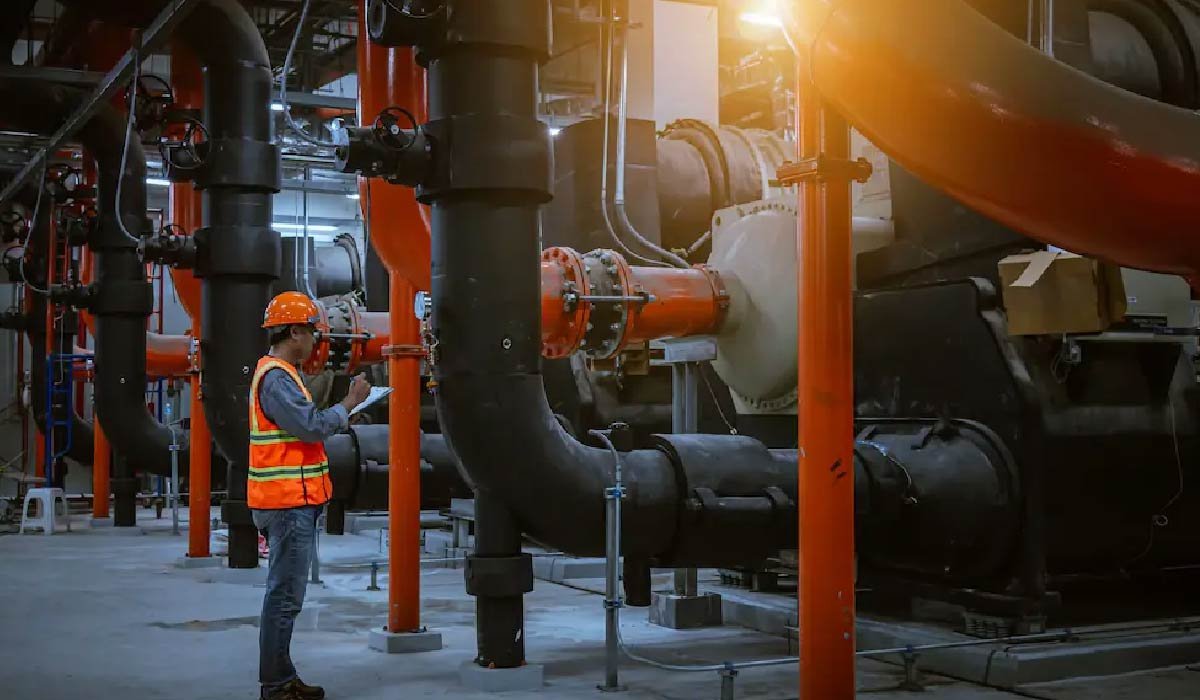
Cooling large buildings is not simple. Offices, hospitals, malls, and factories all need strong and steady cooling. That is where chiller plants installation comes in.
A chiller plant is part of a bigger HVAC system. It removes heat from water and sends cool water through a building. This helps keep indoor spaces comfortable.
But not all systems are the same. Choosing the wrong one can lead to high costs, poor cooling, and frequent repairs.
So, how do you choose the right system for your project? Let’s break it down step by step in a simple way.
What Is Chiller Plants Installation?
What Does a Chiller Plant Do in Simple Terms?
A chiller plant cools water and sends it through pipes. This cool water absorbs heat from the air inside a building.
The heat is then moved outside. This keeps indoor spaces cool and safe.
Types of Chiller Systems Explained
There are different types of chillers. The most common are air-cooled and water-cooled systems.
Air-cooled systems use outside air to remove heat. Water-cooled systems use water and cooling towers.
Where Chiller Plants Are Commonly Used
Chiller plants are used in large spaces. These include office buildings, hospitals, shopping centers, and factories.
They are also common in data centers where equipment needs constant cooling.
Why Chiller Plants Are Important
Keeping Large Spaces Cool Efficiently
Large buildings produce a lot of heat. A simple air conditioner is not enough.
Chiller plants handle large loads and keep temperatures steady.
Supporting Industrial Processes
Factories often need cooling for machines. Some processes cannot work without stable temperatures.
Chillers help keep production running smoothly.
Improving Energy Efficiency in Buildings
Modern chiller systems are designed to save energy. They use less power while delivering strong cooling.
This helps lower utility bills over time.
How Chiller Plants Installation Works
Planning and System Design Basics
Every project starts with planning. Engineers study the size of the building and cooling needs.
They calculate how much cooling is required.
Equipment Setup and Integration
After planning, the system is installed. This includes chillers, pumps, pipes, and controls.
All parts must work together as one system.
Testing and System Start-Up
Before use, the system is tested. This ensures everything works properly.
Any issues are fixed before full operation begins.
Types of Chiller Systems Used in Installation
Air-Cooled vs Water-Cooled Chillers
Air-cooled chillers are easier to install. They do not need a cooling tower.
Water-cooled chillers are more efficient but need more space and setup.
Centralized vs Modular Systems
Centralized systems use one large unit. Modular systems use several smaller units.
Modular systems are flexible and easier to expand.
Choosing the Right System for Your Needs
The right choice depends on your building size, budget, and cooling needs.
Each system has its own benefits and limits.
Benefits of Chiller Plants Installation
Better Cooling Performance for Large Areas
Chiller plants provide strong and steady cooling. They work well for large spaces.
This keeps people comfortable and equipment safe.
Reduced Energy Costs Over Time
Energy-efficient systems use less power. This reduces monthly costs.
Over time, savings can be significant.
Long-Term Reliability and Durability
A well-installed system can last many years. Regular maintenance helps extend its life.
Reliable cooling reduces downtime and repairs.
Common Challenges During Installation
Space and Layout Limitations
Some buildings do not have enough space for large systems. This can make installation harder.
Careful planning helps solve this issue.
Improper System Sizing
If the system is too small, it will not cool properly. If it is too large, it wastes energy.
Correct sizing is very important.
Lack of Skilled Installation
Poor installation can lead to problems later. Systems may fail or work inefficiently.
Skilled professionals are needed for proper setup.
Maintenance After Installation
Regular Inspection and Cleaning
Routine checks help keep the system running well. Cleaning parts like filters and coils is important.
Monitoring System Performance
Keep an eye on how the system works. Look for changes in cooling or energy use.
Early action can prevent bigger issues.
Preventing Costly Breakdowns
Regular maintenance reduces the risk of failure. It also helps avoid expensive repairs.
Common Mistakes to Avoid
Choosing the Wrong Type of Chiller
Not all systems fit every project. Choosing the wrong one can cause problems.
Always match the system to your needs.
Ignoring Energy Efficiency Factors
Some systems use more energy than others. Ignoring efficiency can increase costs.
Choose systems designed to save power.
Skipping Professional Installation
Trying to cut costs on installation can backfire. Poor setup leads to long-term issues.
Professional chiller plant installation is worth it.
How to Choose the Right Installation Service
What to Look for in an HVAC Expert
Look for experience and technical knowledge. A good expert understands HVAC system design and installation.
Questions You Should Ask Before Installation
Ask about system options, costs, and timelines. Make sure you understand the full process.
Clear answers help you make better decisions.
Signs of a Reliable and Skilled Team
A reliable team communicates clearly. They explain each step and provide support.
They also focus on long-term performance, not just quick installation.
Conclusion: Making the Right Choice for Long-Term Cooling Success
Choosing the right system for chiller plants installation is a key step in any large cooling project. The right system improves comfort, saves energy, and reduces long-term costs.
From understanding system types to planning and maintenance, each step matters. A strong HVAC system setup depends on good decisions early on.
Take time to assess your needs. Work with skilled professionals. Avoid common mistakes.
With the right approach, your chiller system will deliver reliable cooling for years to come.